Last updated November 21, 2026
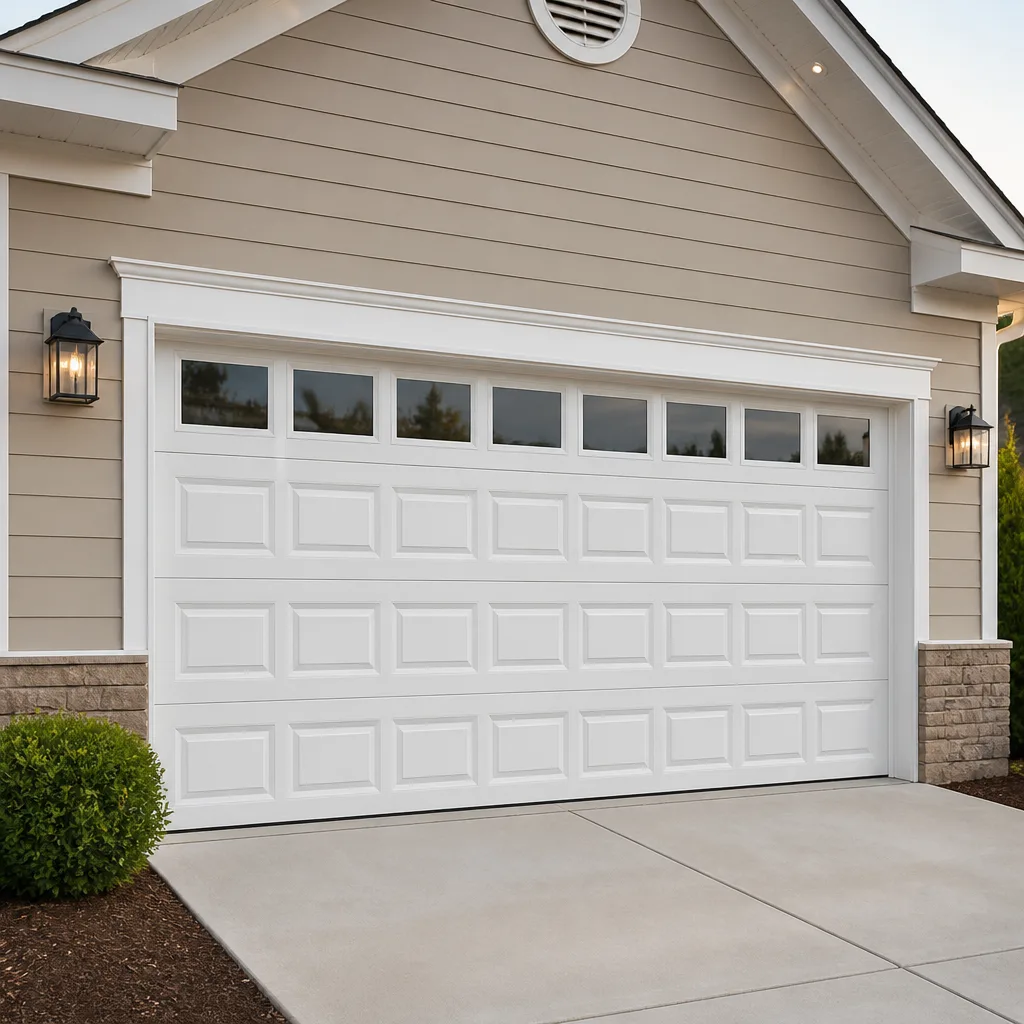 Raised-panel steel
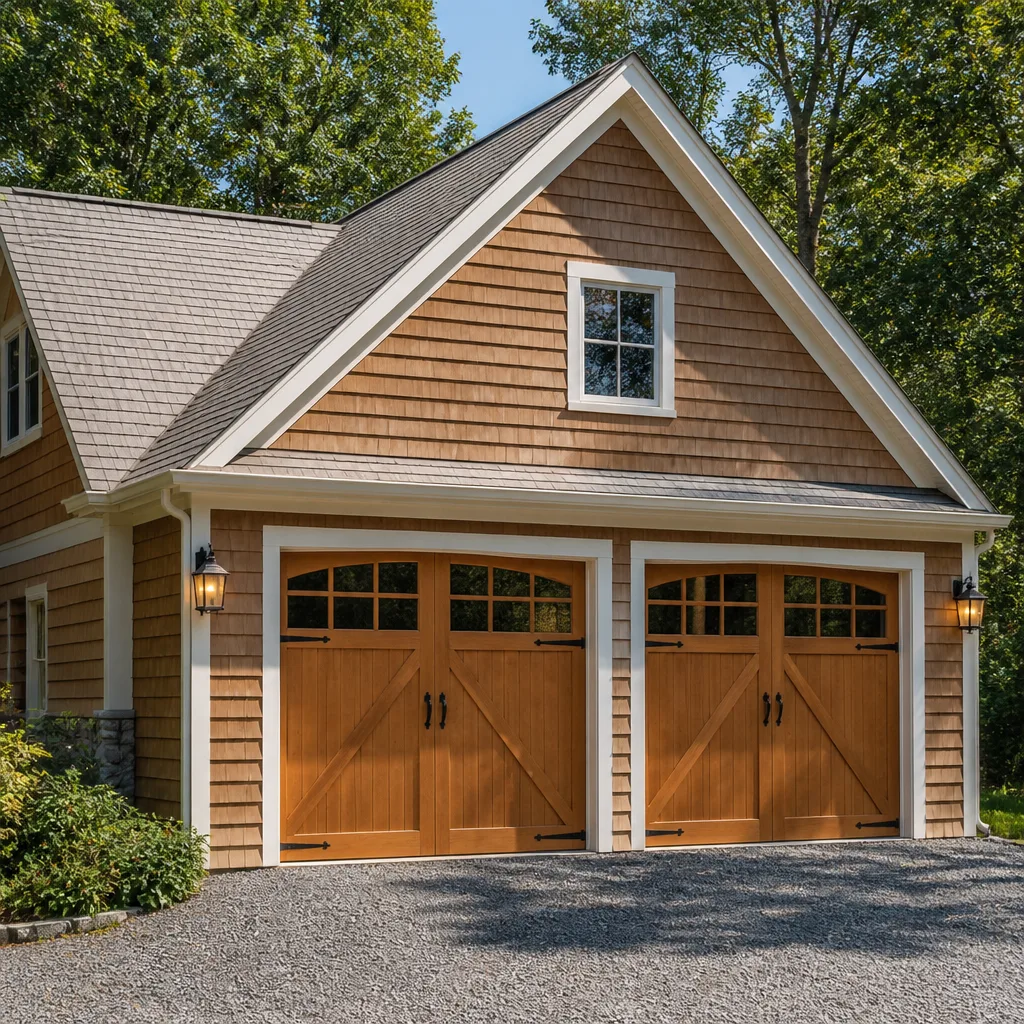 Carriage house
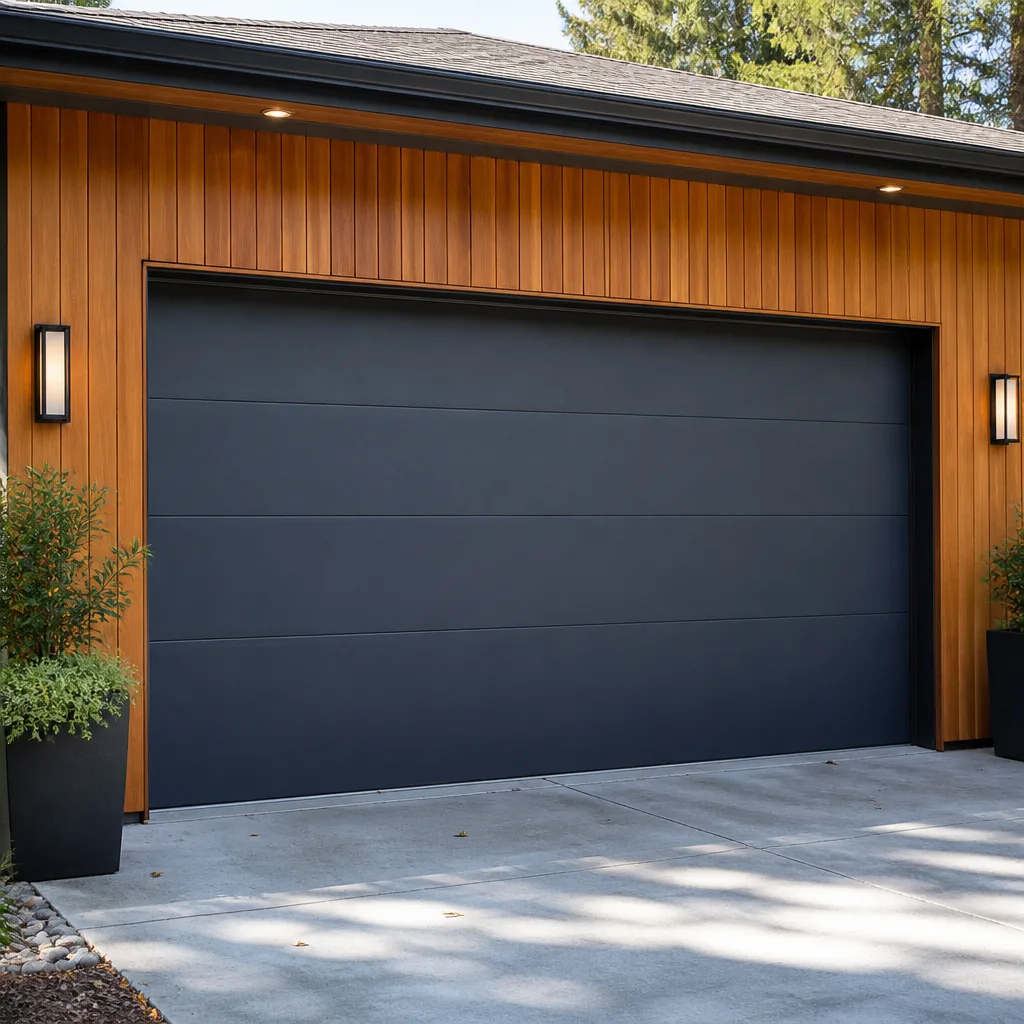 Modern flush
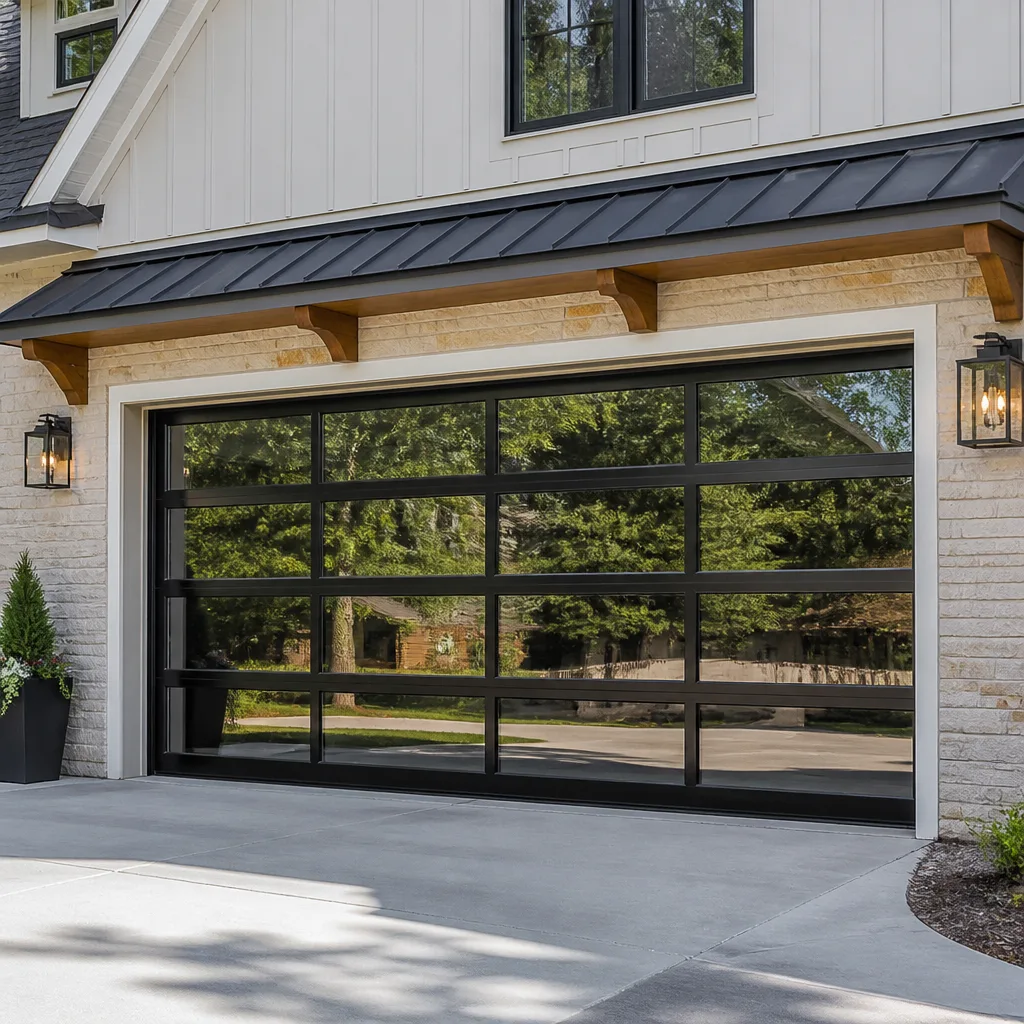 Full-view glass
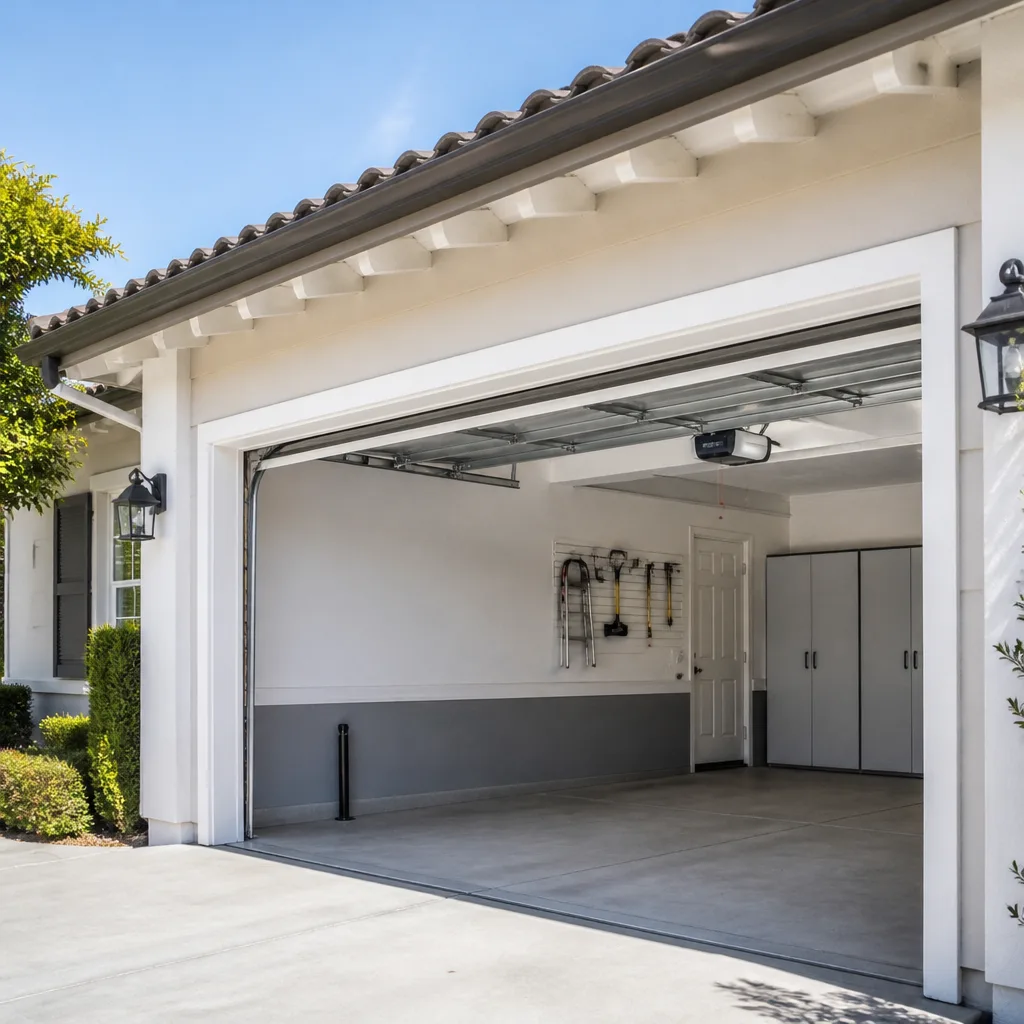 LiftMaster openers
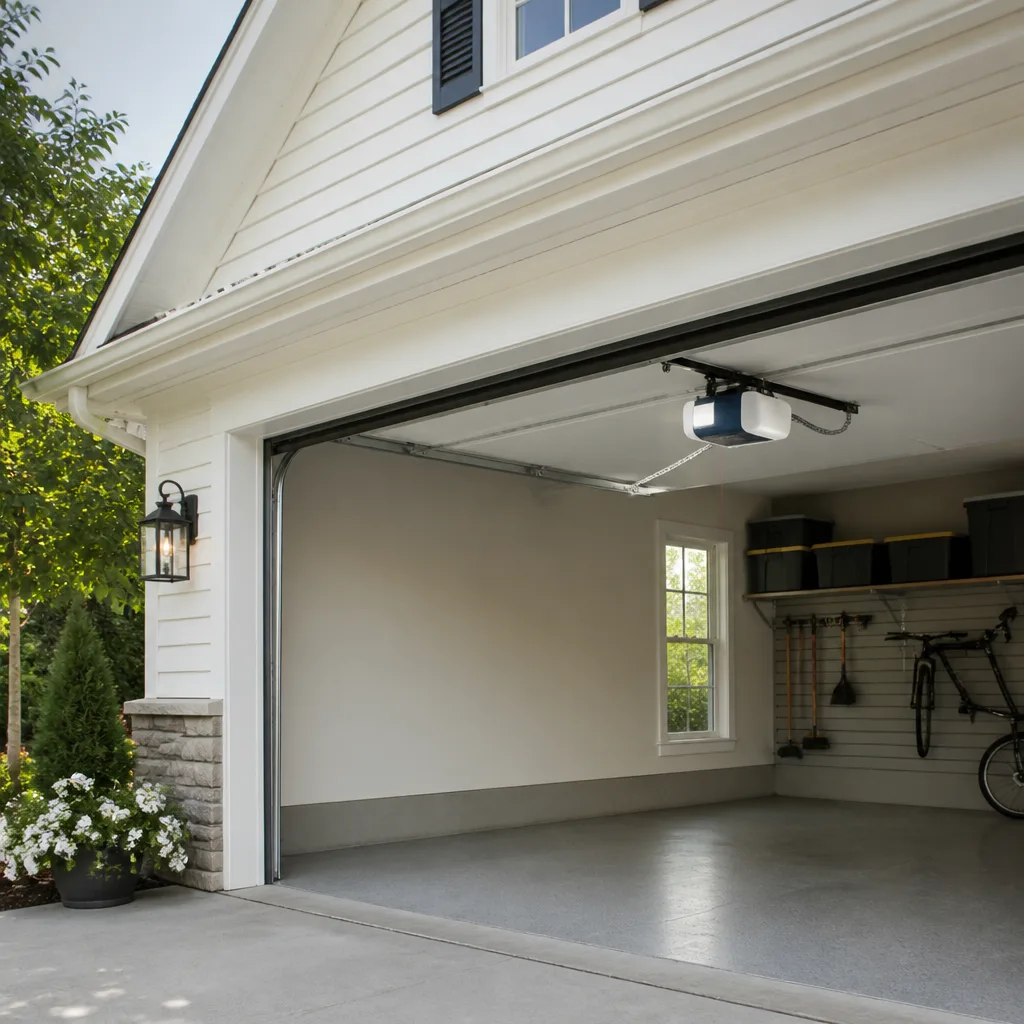 Chamberlain openers
Full 25-point door and opener safety check with every visit - springs, cables, rollers, tracks, and your LiftMaster or Chamberlain opener included
You get a price before we start. It does not change when the pro arrives.
Get your free estimateSeasonal Garage Door Care for Pine Hills: Year-Round Homeowner’s Guide
Most garage door advice you’ll read was written for a place with four neat seasons, and it doesn’t fit here. Pine Hills doesn’t really get spring, summer, fall and winter in the storybook sense. We get a dry season, a long rainy season, and a hurricane window that overlaps both. Each one stresses your door differently, and each one rewards a different kind of attention. The worst time to find out your weatherstripping has cracked is the first afternoon of a June thunderstorm, but that’s exactly when most homeowners discover it, because that’s the moment water starts finding its way in. This guide walks you through what to check and when across the Pine Hills year, so the door is ready before the weather tests it.
Quick Answer
In Pine Hills, garage door care follows the local weather rather than the calendar: brace and test the door before hurricane season, clear drainage and treat rust through the rainy months, and use the dry season for lubrication, sensor calibration and spring checks. Temperature swings between cool winter nights and hot summer days also change how a torsion spring behaves, so tension deserves a look more than once a year.
Styles & brands we work with
- Raised-panel steel
- Carriage house
- Modern flush
- Full-view glass
- LiftMaster openers
- Chamberlain openers
Table of Contents
- Why Pine Hills Doesn’t Have Four Seasons (And Why That Matters)
- Pre-Hurricane Season Checklist: What to Do in May
- Rainy Season Care: June Through September
- Using the Dry Season Strategically
- Post-Storm Inspection: What to Check After a Named Storm
- How Florida Temperature Swings Affect Torsion Springs
- A Month-by-Month Overview for Pine Hills Homeowners
Why Pine Hills Doesn’t Have Four Seasons (And Why That Matters)
If you moved to Pine Hills from a northern state, you probably brought a set of garage door habits that made sense there and don’t make sense here. Up north, the big enemy is deep cold and the freeze-thaw cycle that comes with it. Here, the big enemies are moisture, heat, wind, and the wide temperature swing between a cool winter night and a hot summer afternoon. That’s a completely different list, and it calls for a different routine.
A standard seasonal guide tells you to winterize in the fall and spring-clean in April. In Pine Hills that advice mostly misses the point. Our real risk window opens when the rainy season arrives and the tropics start sending storms our way. The dry months, meanwhile, are the best time to do the maintenance that keeps everything else working. So instead of four seasons, think of the year in three overlapping phases:
- Dry season: lower humidity, less rain, comfortable working weather. This is the maintenance window.
- Rainy season: daily moisture, humidity that stays high around the clock, and the constant press of afternoon thunderstorms. This is the inspection and correction window.
- Hurricane window: the stretch when named storms can reach Central Florida. This is the preparation and post-storm check window.
These phases overlap. Hurricane season runs through the rainy season, which means a storm can test the door while it’s already dealing with humidity and rain. That overlap is the single biggest thing generic garage door advice gets wrong for Pine Hills homeowners, and it’s the reason we organize our year the way we do. Understanding the rhythm is the first step toward a door that holds up.
Pre-Hurricane Season Checklist: What to Do in May
May is the month to get ahead of the hurricane season rather than react to it. The work you do in May is mostly about confirming that the door and its hardware are doing what they’re supposed to do, before wind and rain put them under real pressure. You don’t need special tools for most of this, and a trained technician can handle the parts that call for expertise.
Go through this in order:
- Look at the whole door for bracing. A garage door is one of the largest moving surfaces on a house, and it takes wind load across its full width. Check that any bracing hardware the door was built with is intact, tightly fastened and not bent or loose. If you see rusted or missing fasteners, that’s a sign the door has been stressed and it’s worth having a professional look before storm season.
- Test the manual release. Every automatic opener has a manual release that lets you operate the door by hand. Pull it and confirm the door opens and closes smoothly and that the release re-engages cleanly. In a power outage during a storm, this is how you get the door open, and you want to know it works before you need it.
- Check the balance in a controlled way. With the door in its closed position, listen and watch as it runs. A balanced door moves quietly and evenly. One that shudders, drifts or groans is telling you something is off, and balance problems are worth diagnosing before wind season, not during it.
- Verify the wind rating of the door itself. If your door came with a wind-load rating, the documentation confirms it. If you don’t know the rating of an older door, that’s a question worth asking, because older or lightweight doors may not be rated for the wind a named storm can bring. Your local building department can tell you what’s required in your area.
- Clear the area around the door. Anything stored against the interior of the door or piled near the tracks can become a projectile or jam the door if it’s forced open. Keep the approach clear.
- Book a professional inspection. A trained technician can check the hardware, springs and operator together and flag anything that needs attention before the season. Pine Hills Garage Door Repair Co handled this kind of pre-season check for years of homeowners, and a free estimate means you know what, if anything, needs doing.
One note on wind-load verification: the details of what’s required can vary, and rules change. Don’t rely on a neighbor’s recollection or an online chart. Ask your city’s building department what applies to your home, and treat any specific rating claim with that in mind.
Rainy Season Care: June Through September
Once the rainy season settles in, the job shifts from preparation to correction. Daily moisture is the constant, and it works on the door from several directions at once. The good news is that most rainy-season problems are easy to spot early if you know where to look, and catching them early keeps them small.
Here’s what deserves your attention through the wet months:
- Drainage channels. Water that pools along the bottom of the door and its threshold will find every gap. Clear the drainage channel and the area just outside the door so runoff moves away rather than sitting against the seal. Leaf litter and grit build up fast in the rainy season and are the usual culprits.
- Rust spots. Any bare metal on hinges, rollers, tracks or fasteners will start to show rust when humidity stays high. Treat spots early, before they spread and before they start to affect how the door moves. Rust on a roller or hinge is easy to fix; rust that’s seized a moving part is a bigger job.
- Swelling in wooden components. If your door has wood in it, or the frame around it does, moisture makes wood swell and then shrink as it dries. That can change how the door fits its opening and can affect the seals. Watch for sticking, rubbing or gaps that appear and disappear with the weather.
- Weatherstripping. The seal along the bottom and sides is what keeps rain out. When it cracks, hardens or pulls away, water gets in, and a cracked seal is exactly the kind of thing a June thunderstorm exposes. Run your hand along it and replace anything that’s lost its flexibility.
- The opener’s response to humidity. If the door starts hesitating or reversing for no clear reason, moisture and temperature can be part of the story. Don’t ignore new behavior; have it looked at.
If you’d rather not climb around the door in the rain, that’s sensible. Regular garage door repair visits during the wet months catch most of these issues before they grow, and our technicians have up to 9 years of experience reading exactly these signs.
Using the Dry Season Strategically
The dry months are your friend, and most Pine Hills homeowners don’t use them. When the air is drier and the afternoon storms ease off, the door is in its most cooperative state, which makes it the ideal time to do the maintenance tasks that are harder to get right in humid weather. Think of the dry season as the tune-up window.
Three tasks belong here:
- Lubrication. A properly lubricated door runs quieter and puts less strain on the opener. Use a garage door lubricant on the moving parts that call for it, and wipe away excess so it doesn’t collect grit. In the dry season you can do this and have it settle in before the humidity returns.
- Sensor calibration. The safety sensors at the bottom of the door stop it from closing on something in its path. Test them and confirm they’re aligned and responding, and clean the lenses. Misaligned or dirty sensors are one of the most common reasons a door won’t close, and they’re easy to check when the weather is calm.
- Spring tension check. This is the one to leave to a professional. Torsion springs are under enormous tension, and adjusting them is genuinely dangerous without the right tools and training. Have a technician verify the springs are tensioned correctly and are showing no signs of wear. This is also the ideal time to schedule a full check of the door if it’s been a while.
There’s a reason we treat spring work as its own discipline rather than a general repair. garage door spring repair is one of the most commonly botched jobs in the trade because it’s the most dangerous, and a spring that fails suddenly can do serious harm. Doing it safely means doing it right, with trained hands.
If the dry season is also when your door starts feeling its age, it’s a good time to think about a full replacement. That’s scheduled work, not an emergency, so you have time to get a free measure and a written price before committing.
Post-Storm Inspection: What to Check After a Named Storm
After a named storm passes through Central Florida, don’t just assume the door is fine because it opens. Wind and blowing rain can stress parts in ways that only show up over the following days. A quick, careful walk-around after the storm catches problems before they become expensive.
Work through this protocol:
- Look at the door from the outside first. Check for dents, bent panels, misaligned sections or anything that looks out of square. A panel that’s been pushed in can bind the whole door.
- Inspect the tracks. Tracks that have been bent or knocked out of alignment will make the door drag or jump. If the door won’t run smoothly in its tracks, stop operating it and have it looked at.
- Check the hardware and bracing. Look at hinges, rollers and fasteners for anything loose, bent or missing. Wind load stresses these parts first.
- Test the seals. Look for water intrusion around the bottom and sides. A storm can push water past a seal that was fine before.
- Test the manual release and the opener. Confirm manual operation works and that the opener runs the door without hesitation or reversal.
- Watch the springs. A torsion spring that’s been working with degraded metal is more likely to fail after a stress event. If you hear a loud bang or the door suddenly won’t lift, keep hands away and call for spring repair.
If any of this turns up something that worries you, don’t force the door. Call us at (844) 443-3644 and we’ll help you sort out what needs attention and what can wait.
How Florida Temperature Swings Affect Torsion Springs
Here’s a Pine Hills-specific point that surprises a lot of people. It’s not the heat alone or the cool nights alone that stress a torsion spring. It’s the swing between them. Metal expands when it warms and contracts when it cools, and a torsion spring is a tightly wound piece of metal doing a precise job. Every cycle of warming and cooling nudges it slightly, and over enough cycles that adds up.
In a place where a winter night can be genuinely cool and the next afternoon can be hot, the spring goes through those cycles far more often than in a stable climate. That doesn’t mean springs fail every season, but it does mean a once-a-year glance isn’t enough. A few practical implications:
- Listen for changes. A spring near the end of its life often sounds different before it fails. A new creak, groan or pop during operation is worth a look.
- Watch for balance drift. If the door starts drifting down when you release it mid-travel, the spring tension may be off.
- Don’t test or adjust springs yourself. This is the part of garage door maintenance that genuinely injures people. A trained technician with the right tools can check tension safely.
- Replace matched pairs together. When one spring in a matched pair goes, the other is usually at the same point in its life. Replace them as a pair so you’re not right back where you started.
When you do need spring work, our garage door spring repair service exists for exactly this reason, and we treat it as the safety-critical job it is.
A Month-by-Month Overview for Pine Hills Homeowners
If you’d rather follow a simple plan than remember every task, this is the version to keep. It won’t catch everything, but it keeps the door ahead of the seasons rather than behind them.
- January and February: Cool nights and warm days mean the widest temperature swings of the year. Use this window to watch for balance drift and spring noise, and get any lingering issues looked at in calm weather.
- March and April: Shoulder season, with comfortable working conditions. This is a good time for lubrication, sensor checks and a general function test before the heat builds.
- May: Hurricane prep. Run the pre-season checklist: bracing, manual release, balance, wind rating, and clear approach. Book a professional inspection if anything is uncertain.
- June through September: Rainy season care. Clear drainage, treat rust, check weatherstripping, and watch for swelling in wood components. Keep an eye on how the opener behaves as humidity climbs.
- October: After the heart of storm season, do a full post-storm inspection even if no named storm reached you, because the rainy season has done its own work on the door.
- November and December: A second dry, cooler window. Good time for a thorough check of springs, tracks and hardware, and to plan any larger repair or replacement in a measured way.
This is a general frame. Your door, its age and its brand will shape what it actually needs. We’ve worked across Amarr, Wayne Dalton, Craftsman and Raynor doors, along with LiftMaster, Chamberlain, Genie and Clopay, and the quirks differ brand to brand. Knowing your specific system means the maintenance fits the door you actually have.
Common Mistakes to Avoid
- Treating the year as four traditional seasons. A northern winterizing routine misses the humidity and wind concerns that actually matter in Pine Hills. Follow the local weather, not a calendar from somewhere else.
- Lubricating in the rain or skipping it altogether. Lubrication is best done in the dry window so it settles in cleanly. Doing it during wet weather or not at all leaves moving parts exposed to moisture.
- Adjusting springs yourself. This is the single most dangerous mistake in garage door care, and it’s the one most likely to cause injury. Leave torsion spring tension to a trained professional.
- Ignoring a cracked weather seal. A seal you can replace easily now becomes water damage to the frame and floor later. Check it before the first storm of the season, not after.
- Skipping the post-storm walk-around. A door can look fine and still have bent a panel or loosened a fastener in the wind. A ten-minute inspection is worth it.
- Replacing one spring instead of the pair. When a matched pair has been working together, a single replacement usually means the second fails soon after. Replace them together.
- Assuming an older door is fine because it still opens. A door that runs is not the same as a door that’s ready for a storm. Have older hardware checked before the season rather than after.
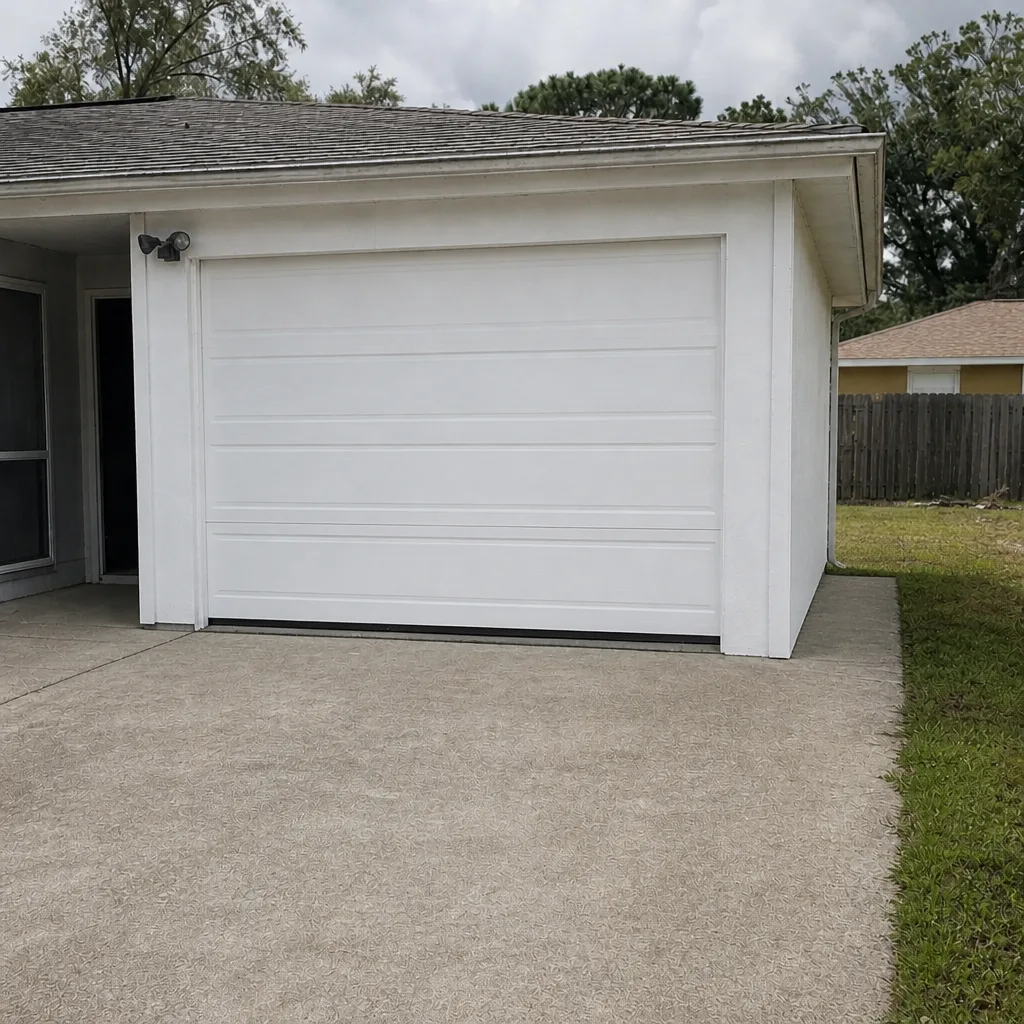
See the difference
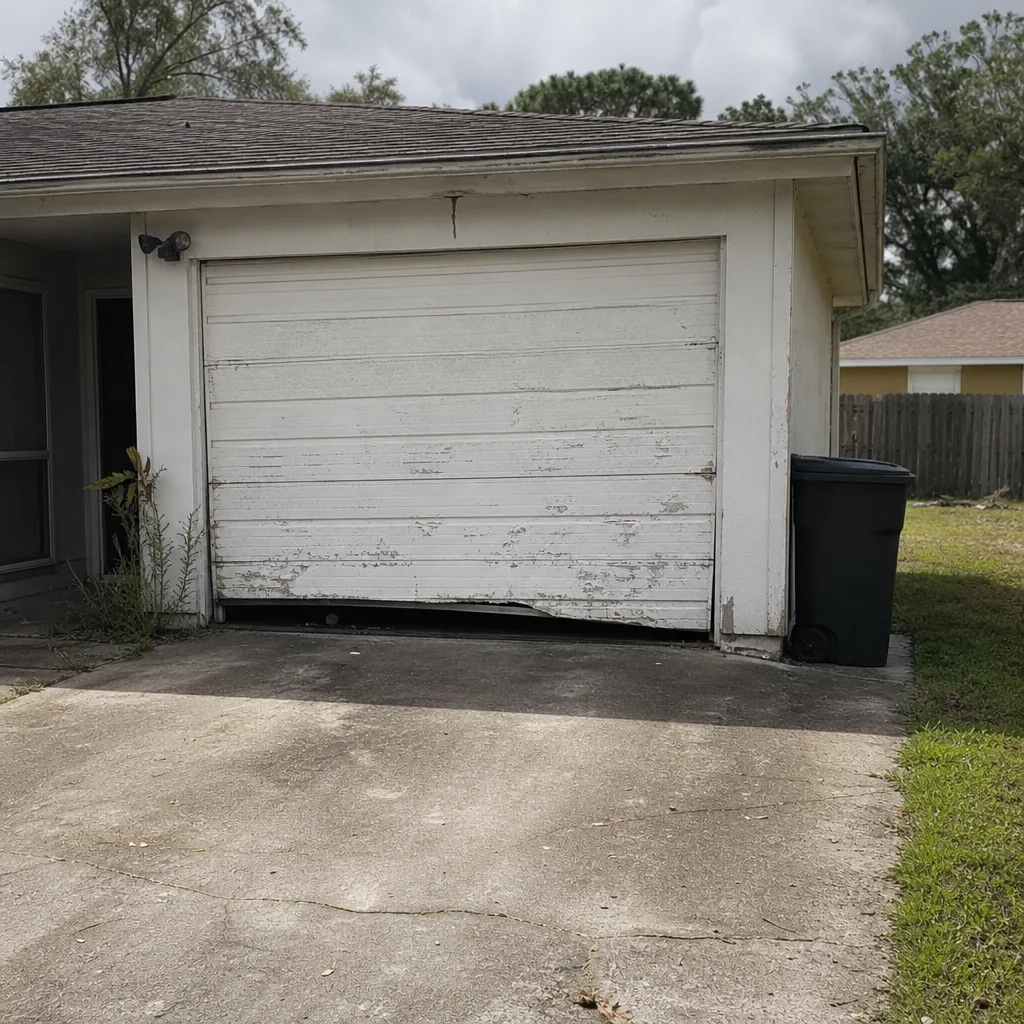 Before
 After
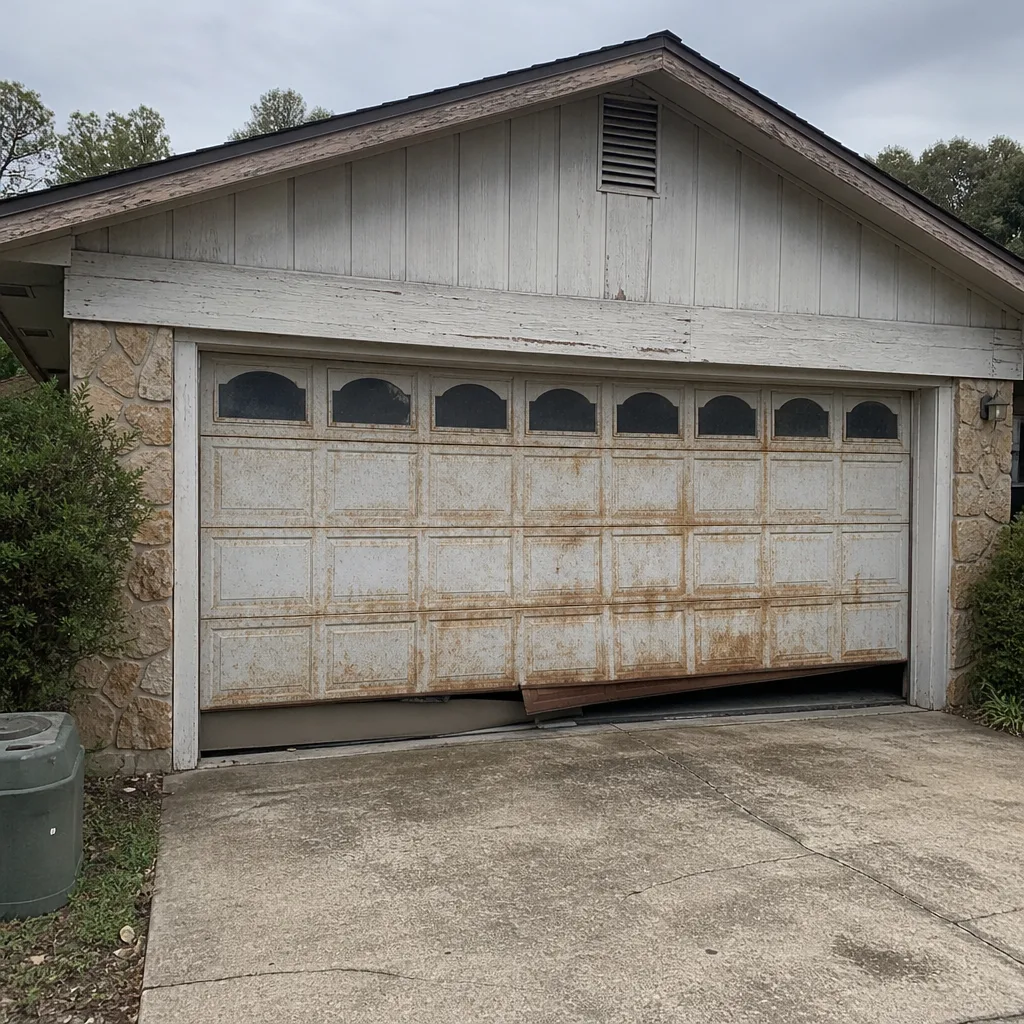 Before
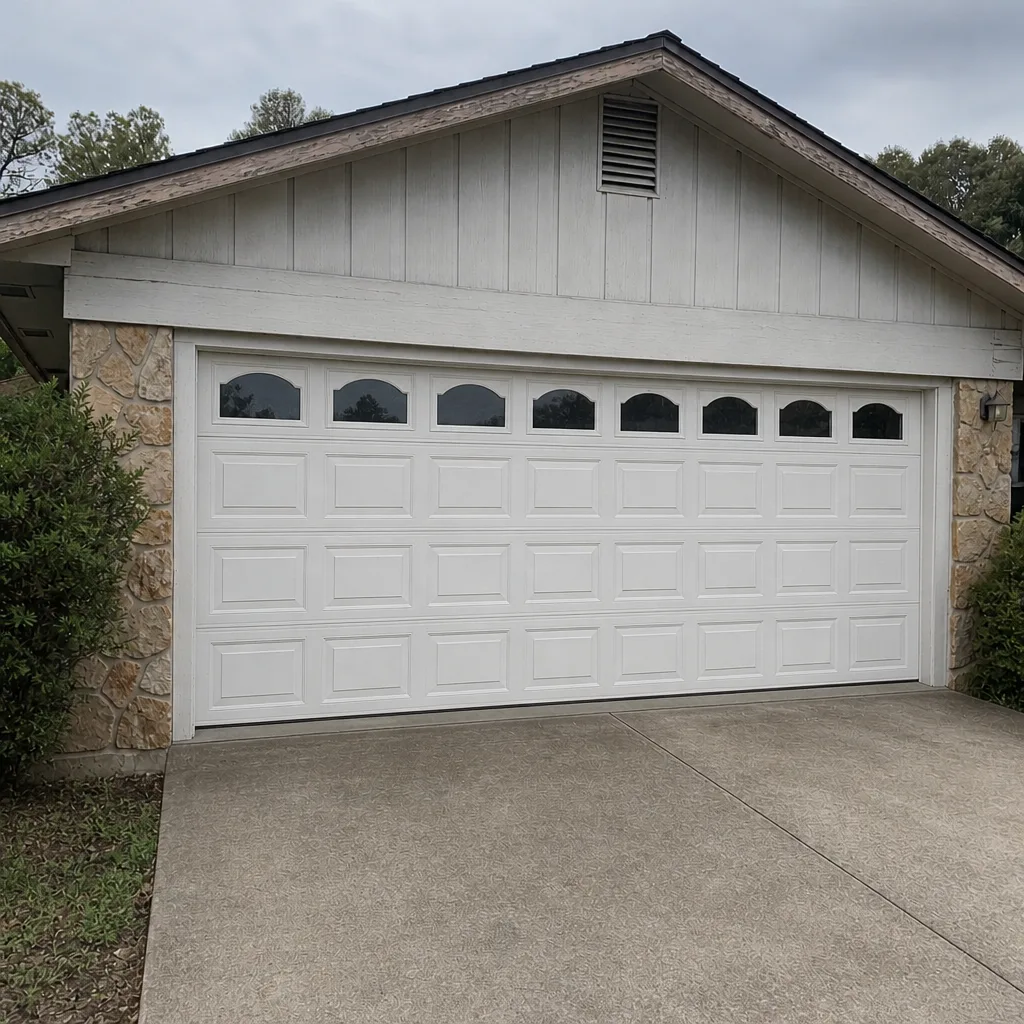 After
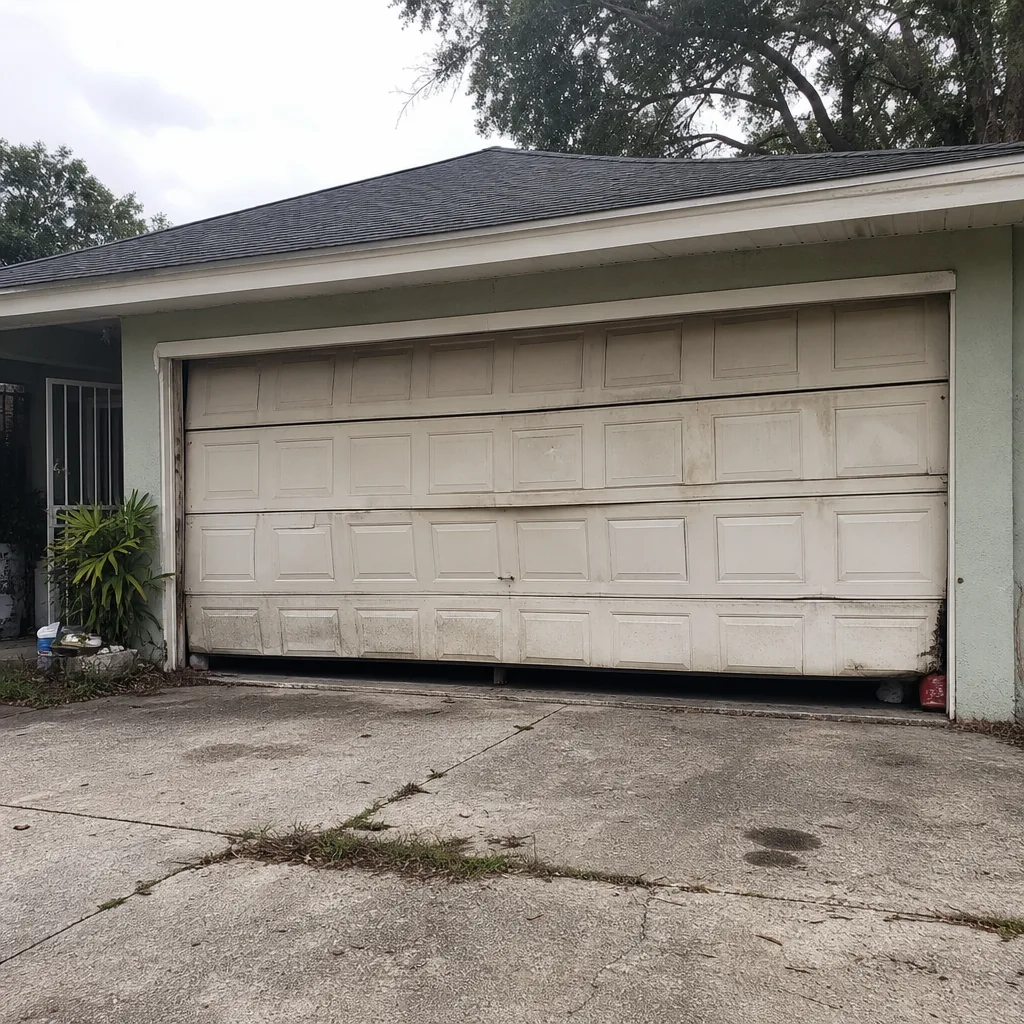 Before
 After
When to Call a Professional
Some garage door care is homeowner work: clearing drainage, wiping down rust, checking a seal. Some genuinely isn’t, and it’s better to know the line. Call a professional when a torsion spring looks worn, sounds different, or has failed; when the door is out of balance, binding or won’t run smoothly in its tracks; when you’ve found bent panels or loose bracing after a storm; when the opener hesitates, reverses or misbehaves in a way you can’t explain; and any time you’re unsure whether an older door is rated for local wind conditions. Working around high-tension hardware is where people get hurt, and a trained technician can check it safely. Pine Hills Garage Door Repair Co offers free estimates in Pine Hills, and you can reach us for garage door opener repair or a full inspection at (844) 443-3644.
Frequently Asked Questions
The dry months are the best window for routine maintenance like lubrication and sensor checks, while May is the right time for pre-hurricane preparation. Spring and track inspections are safest to schedule with a professional, and the cooler dry windows in November and December work well too. Call (844) 443-3644 for a free estimate.
Yes, because a door that opens fine can still have loose bracing, a weak manual release or a weathered seal that wind and rain will expose. The checklist is about confirming the parts that don’t show up in normal daily use are ready for stress. If you’d rather not do it yourself, a free estimate from us will tell you where things stand.
Metal expands in heat and contracts in cool, and a torsion spring is tightly wound metal doing precise work, so repeated swings between cool nights and hot days nudge it over time. That doesn’t mean springs fail every season, but it does mean regular checks are worth it. Our garage door spring repair technicians have up to 9 years of experience with this, so call us for a free estimate.
Start outside and look for dents, bent panels and anything out of square, then check the tracks, hardware, bracing and seals for alignment and water intrusion. Finish by testing the manual release and watching how the opener runs the door. If anything looks bent or the door won’t run smoothly, stop operating it and call us at (844) 443-3644.
Some of it, yes. Clearing drainage channels, wiping rust spots and checking weatherstripping are safe to do yourself. Spring tension checks, track alignment and anything involving the high-tension parts should go to a trained technician. Call (844) 443-3644 if you’d rather have it all checked in one visit.
The price we quote and agree before any work starts is the price you pay, and it stays the same once the job begins. Every price is an estimate based on what we find, set in a written estimate you approve first. Call (844) 443-3644 for an exact quote, and estimates are free.
The Bottom Line
Pine Hills doesn’t hand you four neat seasons, and your garage door care shouldn’t pretend it does. Prepare in May, correct through the rainy season, use the dry months for lubrication, sensor checks and spring inspections, and walk around the door after every named storm. Watch the springs, because the temperature swings here work on them all year, and protect the seals that keep the rain out. Most of the year is simple homeowner work; the high-tension parts are where a trained technician earns their keep. Pine Hills Garage Door Repair Co is ready to help whenever a check turns up something that needs doing. Call (844) 443-3644 for a free estimate.
Written by the team at Pine Hills Garage Door Repair Co.