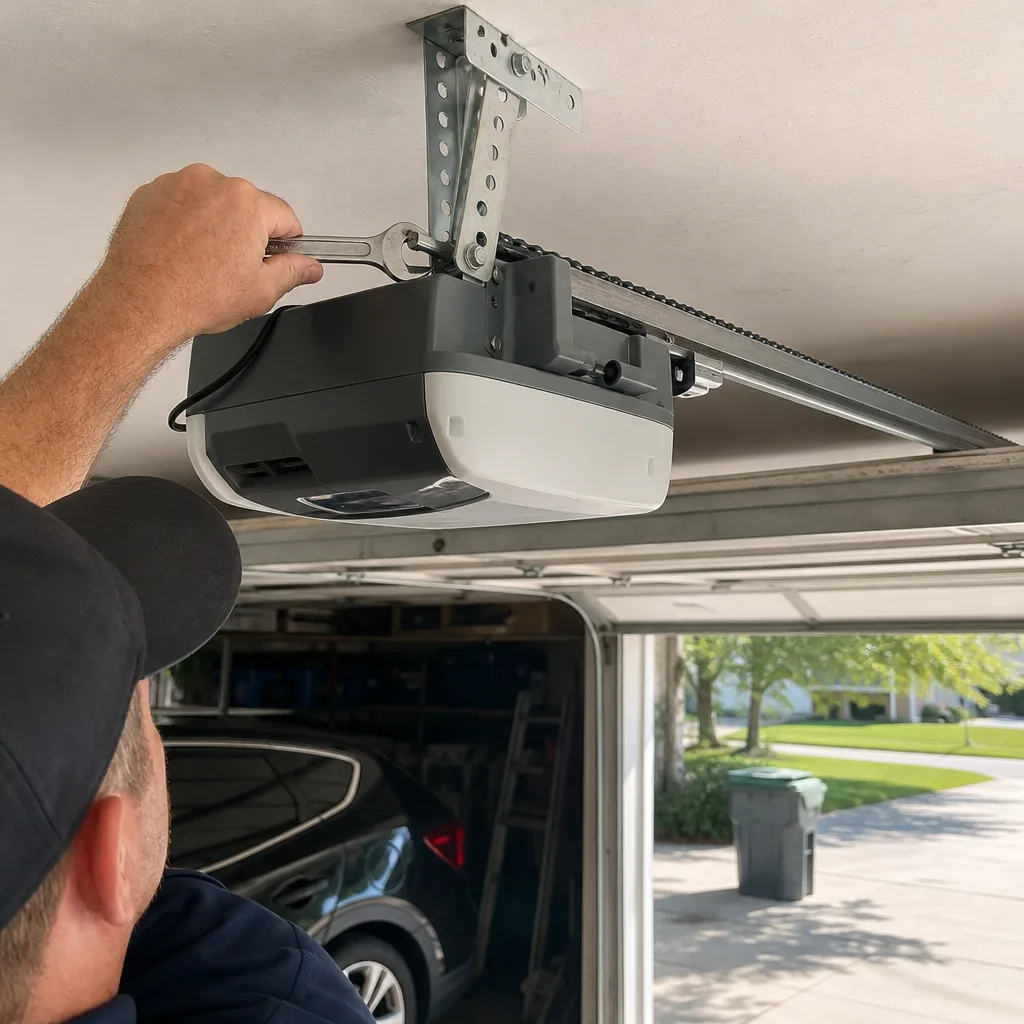
Last updated November 21, 2026
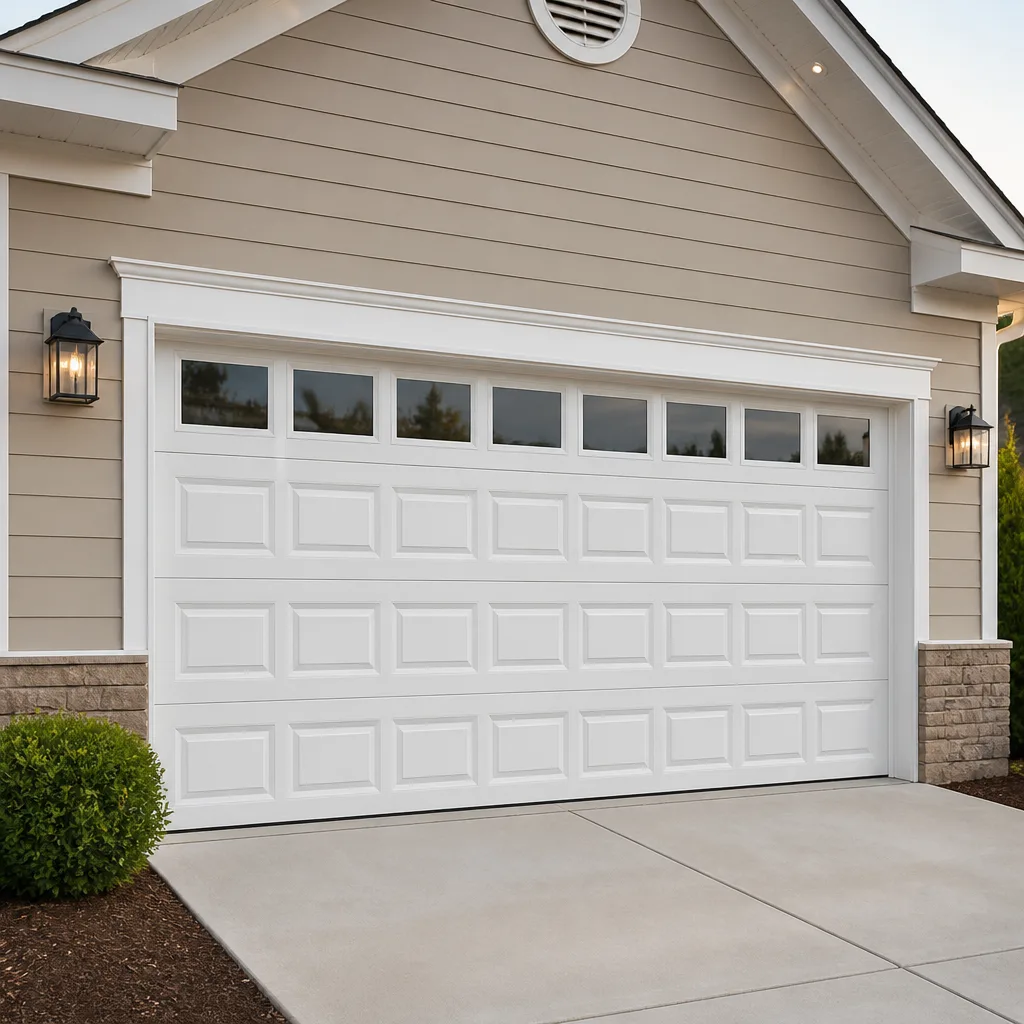 Raised-panel steel
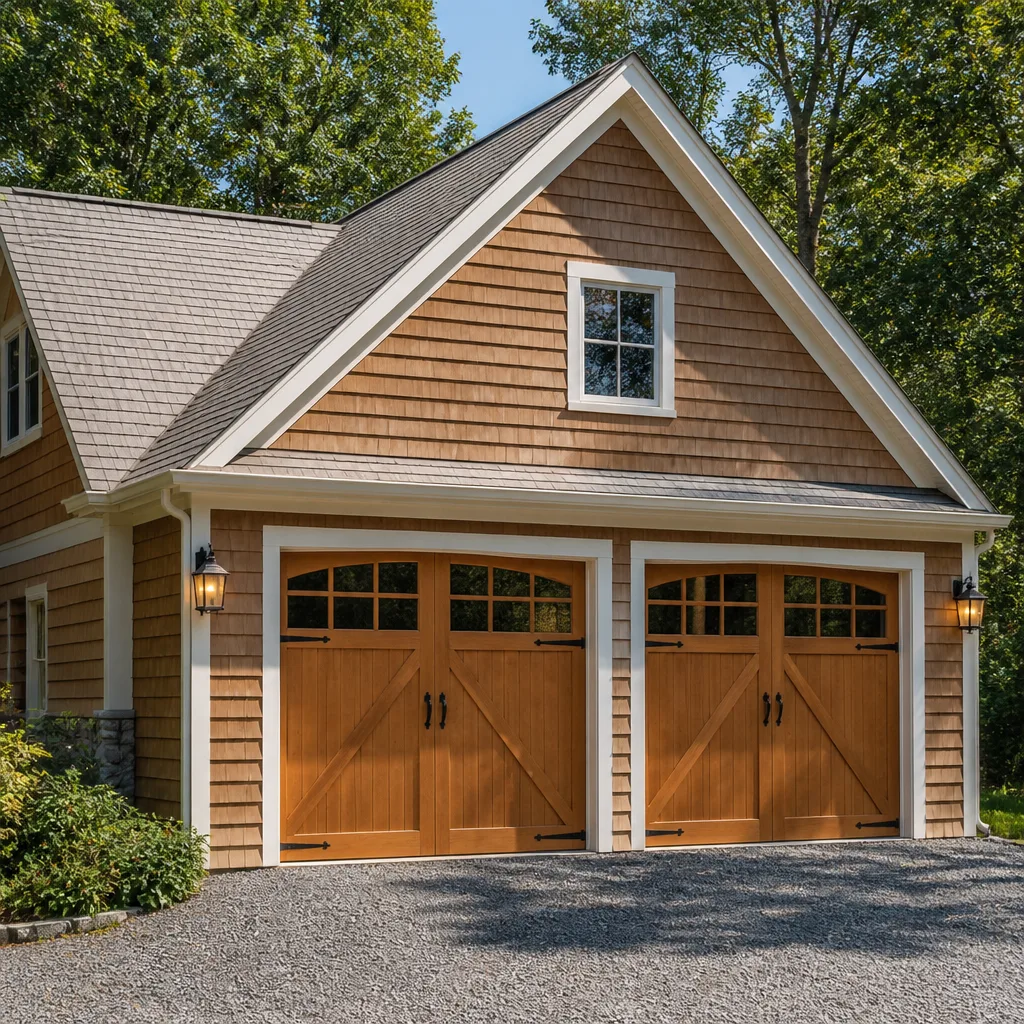 Carriage house
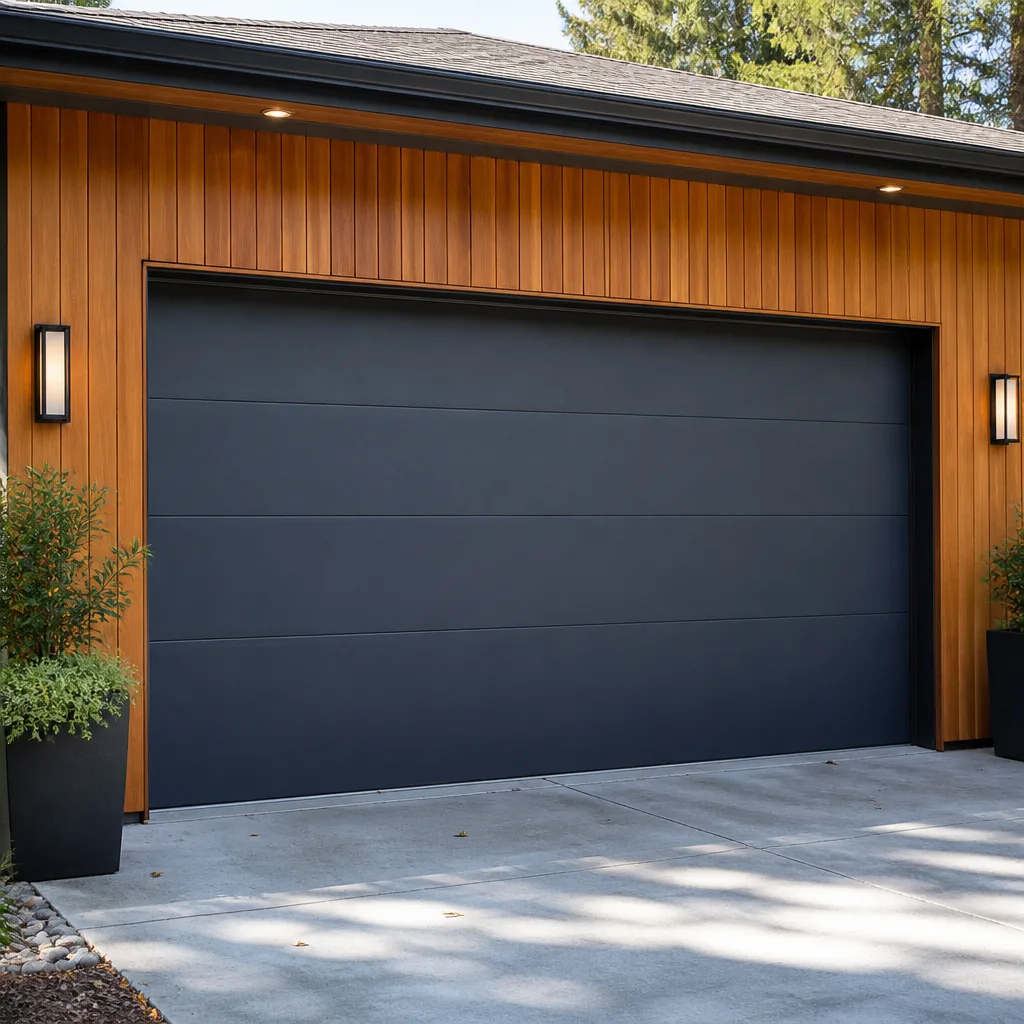 Modern flush
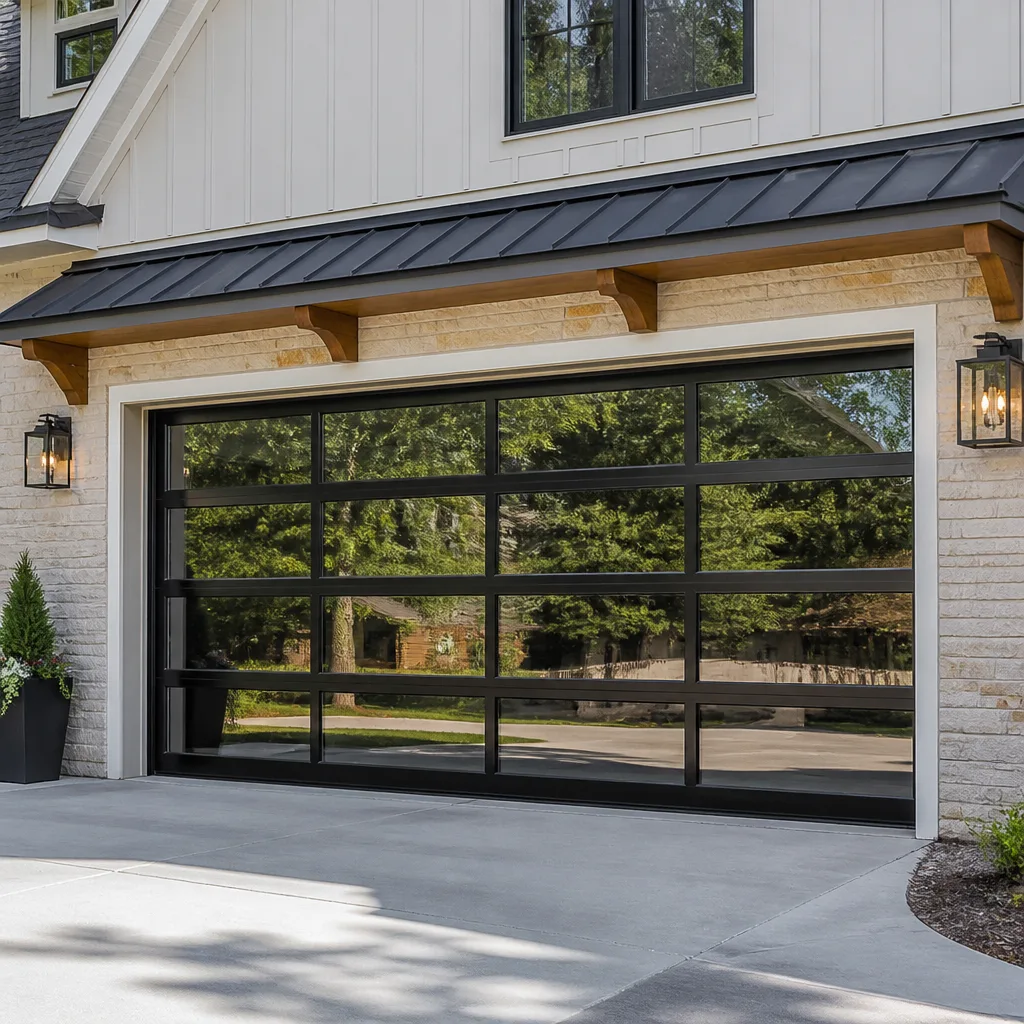 Full-view glass
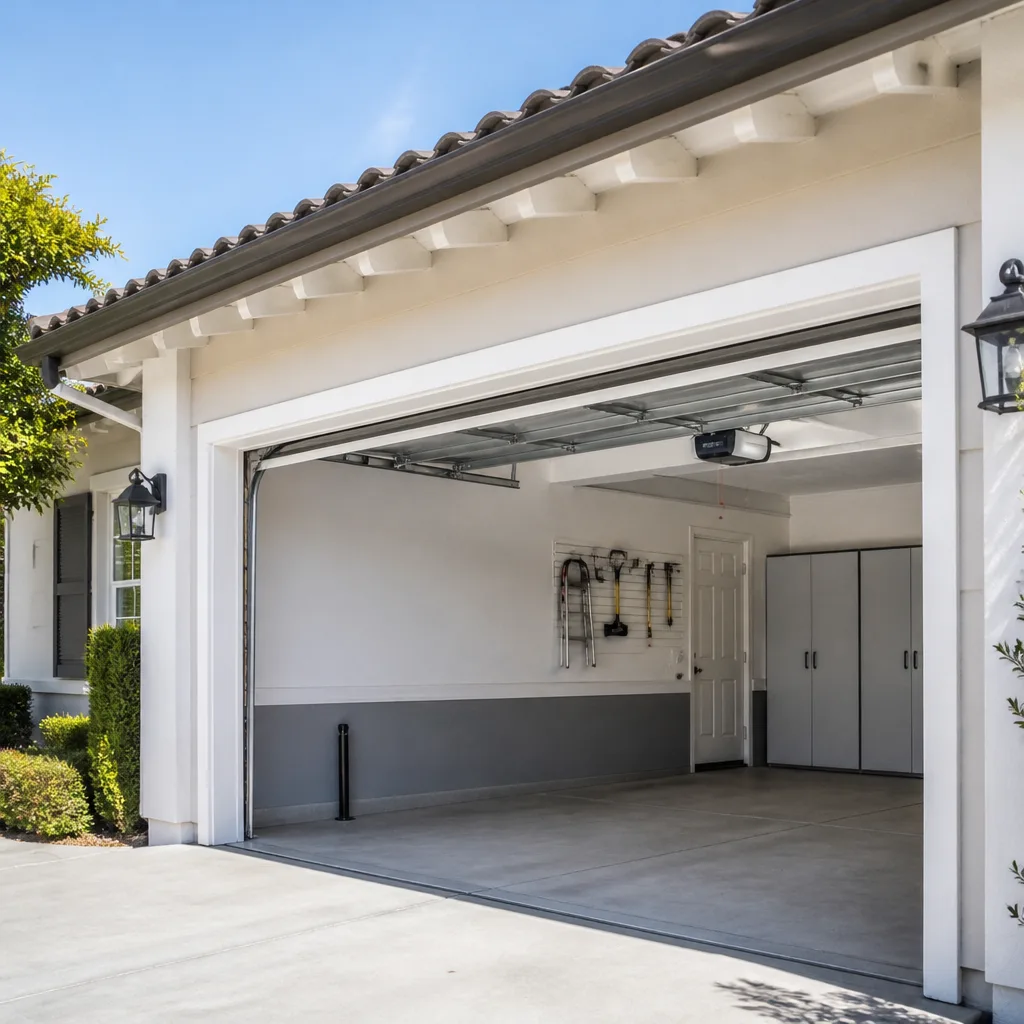 LiftMaster openers
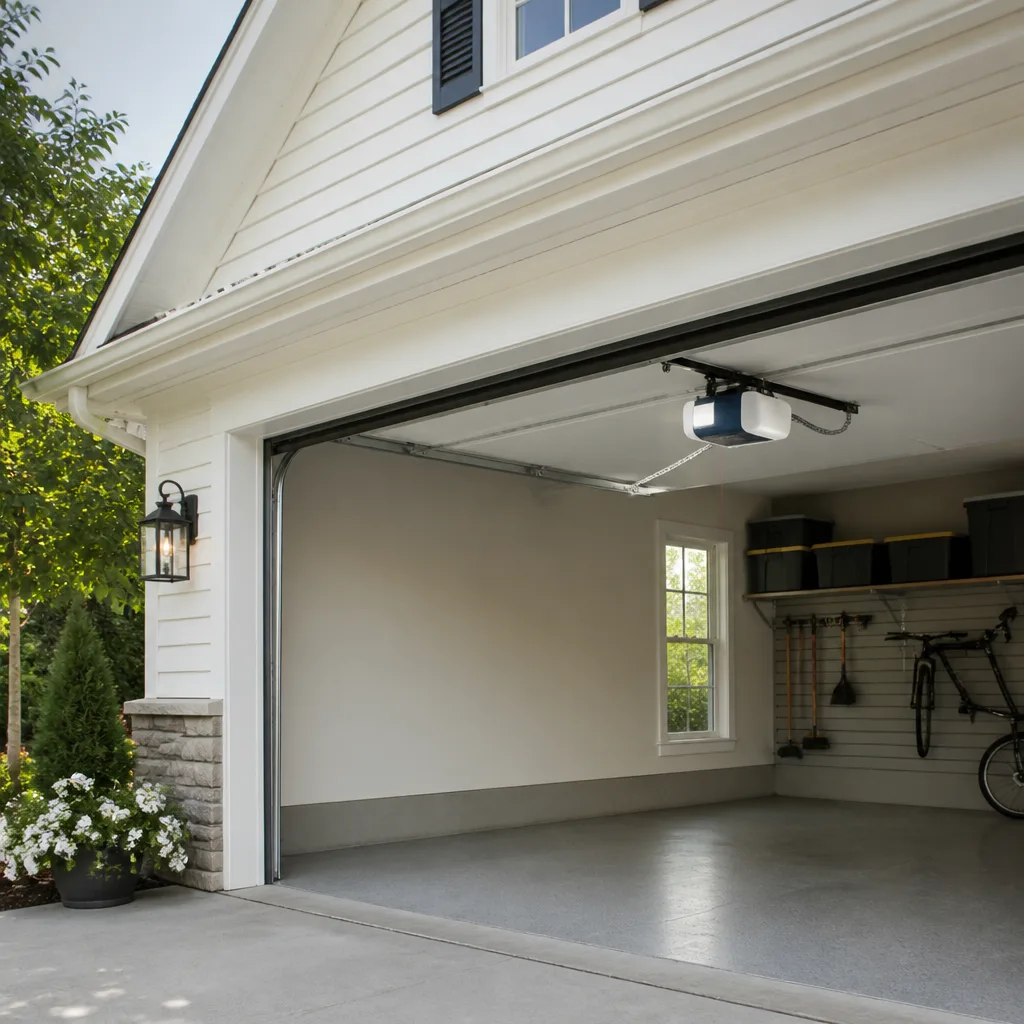 Chamberlain openers
Full 25-point door and opener safety check with every visit - springs, cables, rollers, tracks, and your LiftMaster or Chamberlain opener included
You get a price before we start. It does not change when the pro arrives.
Get your free estimateGarage Door Cost Breakdown: The Pine Hills Homeowner’s Reference for 2026
Most homeowners start their search for a garage door price by typing the same question into Google and landing on a national average. That number tells you almost nothing about what you’ll pay in Pine Hills. Florida Building Code wind-load requirements add roughly $150 to $400 to nearly every installation and many structural repairs, and a quote built for a northern state won’t include it. So instead of hunting for a single figure, this guide breaks the real cost into five independent variables you can actually measure against your own situation. By the end, you’ll know what drives the number up, what keeps it down, and how to spot a padded quote before you sign.
Quick Answer
Garage door repair in Pine Hills typically runs from about $95 to $340 for common jobs, with spring replacement as the most frequent major repair. A single spring replacement usually costs $180 to $340, and a matched pair costs roughly twice that. A full door installation with a standard steel door typically runs $900 to $2,600 installed, with wind-load rated products pushing toward the higher end. The written estimate is what sets your final price.
Styles & brands we work with
- Raised-panel steel
- Carriage house
- Modern flush
- Full-view glass
- LiftMaster openers
- Chamberlain openers
Table of Contents
- The Five Variables That Actually Set Your Price
- Repair Cost Breakdown by Component
- Why Florida Wind-Load Compliance Adds Cost in Pine Hills
- How Brand Choice Affects Upfront and Long-Term Cost
- Emergency and After-Hours Pricing: What It Really Adds
- How to Tell If a Quote Is Padded
- Repair or Replace: Weighing the Decision
- Frequently Asked Questions
The Five Variables That Actually Set Your Price
Every quote you get in Pine Hills comes down to five things: the component that failed, the door’s weight and material, the age and brand of your system, whether the job involves structural or code-related work, and timing. Two homes on the same street can get very different numbers for what sounds like the same problem because those variables differ. A lightweight single-car door with a snapping spring is a different job from a double-car insulated door with a bent track and a stripped opener gear.
Here’s how the five break down:
- Failed component. A broken cable and a broken spring are both “it won’t open,” but they’re very different repairs. Springs are priced per spring; cables are priced per cable or pair.
- Door weight and material. Steel, aluminum, and wood doors with insulation weigh more and require more careful spring calibration.
- System age and brand. Parts availability changes the labor and price. A Clopay door with an Amarr-rated hardware set may need adapter parts, and an older opener can turn a simple repair into two fixes.
- Structural or code work. Wind-load requirements, header repair, and track re-anchoring all fall here. This is where most of the difference between a northern quote and a Pine Hills quote lives.
- Timing. Standard scheduled work costs less than a same-day emergency call, and it should.
When a technician arrives, they measure all five before pricing. If a quote comes before anyone has looked at the door, ask what it’s based on. For most jobs, a free estimate is the honest starting point, and that’s how we work: the price is quoted and agreed before any work starts, so the number you hear is the number you’ll see on the invoice.
Repair Cost Breakdown by Component
Most garage door repair in Pine Hills falls into a predictable set of components with a known price band. Below are the typical ranges we see. These are estimates for standard residential doors, and the written quote on your specific door is what governs.
- Single torsion spring replacement: $180 to $340. Springs are priced one at a time. A matched pair is normally replaced together and costs about twice that.
- Extension spring pair replacement: $150 to $280.
- Cable replacement (per cable or pair): $95 to $250, depending on whether drums and hardware are reused.
- Roller replacement (typical set): $90 to $180.
- Panel replacement (single section): $150 to $450 for the panel, plus labor; wind-load rated sections sit at the top of that band.
- Track straightening or re-anchoring: $100 to $220 per section.
- Sensor replacement and realignment: $85 to $175.
- Opener repair (board, gear, drive, travel limits): $120 to $320.
- Full opener replacement: $320 to $650 installed, depending on drive type and features.
Those Labor ranges reflect Pine Hills market conditions, where the summer heat and humidity keep technicians on ladders with their sleeves up and every summer week adds travel between jobs. That’s part of why a component that takes an hour to replace isn’t quoted at $60. The other part is that these are safety-critical parts: torsion springs are under high tension and a damaged spring can cause serious injury. This is not a component to work on without the right tools and training, and we handle it as a named, dedicated service because it’s one of the most commonly botched repairs in the trade.
If you’re coordinating a repair with a move-in or a sale, it helps to know that a standard repair is scheduled work, not same-day work. Call ahead and we’ll quote what you need for the date you need it.
Why Florida Wind-Load Compliance Adds Cost in Pine Hills
Florida Building Code requires garage doors in this region to meet wind-load ratings tied to the structure’s design. That requirement adds roughly $150 to $400 to nearly every job that a quote from a northern state wouldn’t include. What does that money actually buy? It buys structural integrity that your local building department can inspect and your insurer can verify.
Here’s what shows up in that line item:
- Reinforced door sections. Rated doors are built with heavier gauge steel, stronger hinges, or internal struts.
- Wind-load rated hardware. Tracks, brackets, and anchor plates are sized for the design pressure, not the lightest hardware off the shelf.
- Proper anchoring into the header and jambs. The door’s rating depends on how it’s fastened to the frame. A rated door hung on weak anchors doesn’t meet its rating.
- Impact glazing where a door has windows. Glass panels are the weak point, and rated glazing shows up as a separate line.
The number you’re protecting isn’t just the door. A door rated to the code for your structure is part of how the building envelope holds together in a storm. If a contractor proposes a door without a wind-load rating, ask why. For new installs and major replacements, most cities require a permit for this work, so ask Pine Hills’ building department what documentation your permit needs and confirm that the rated product matches the permit.
That $150 to $400 also covers the cost of doing it right: verifying the rating against your structure, installing rated anchors, and documenting the job. If you’re comparing a quote that includes wind-load compliance to one that doesn’t, you’re not comparing two prices for the same thing.
How Brand Choice Affects Upfront and Long-Term Cost
Brand choice moves both your upfront price and your ongoing cost. Our technicians are factory-familiar with eight major brands: LiftMaster, Chamberlain, Genie, Clopay, Amarr, Wayne Dalton, Craftsman, and Raynor. That matters in Pine Hills because this is a mixed-housing market where a block that was built at different times carries different systems, and the quirks of your specific brand and vintage change the parts and labor.
On the door side, Clopay and Amarr are both common in standard residential installs. Clopay’s product line runs from budget steel panels to insulated premium doors, so the model matters more than the name. Amarr tends to be priced competitively at the mid-tier, with good hardware longevity. On the opener side, LiftMaster and Chamberlain command a small premium, in large part because parts and accessories are easy to find and compatible across the line. Genie and Wayne Dalton systems are also widespread, and we work on them regularly.
How the brand affects your wallet over time:
- Parts availability. Brands with wide distribution mean faster repairs and lower parts cost. An opener with obscure parts may need a specialty order.
- Compatibility. Mixing brands between the door and opener is fine if you know the quirks. A Genie opener under a Clopay door will work, but the installer has to know the calibration differences.
- Repairability. Some opener models are worth repairing; others cost nearly as much to fix as to replace. We diagnose before recommending.
- Parts cost for rated hardware. Wind-load rated door hardware is brand-specific, so replacing a section or track on a rated door can cost more than the same job on an unrated door.
Our approach is brand-agnostic: we service the door and opener you have, whether it’s a budget Craftsman opener or a premium Raynor door. You shouldn’t have to replace functional hardware just because it isn’t the brand we sell most of. If you need a repair, we diagnose the actual problem before we quote; that’s how we keep the fix honest and the price fair.
Emergency and After-Hours Pricing: What It Really Adds
Emergency service typically adds $50 to $150 to a repair, and sometimes more for a late-night call. That premium covers the same technician, the same parts, and a slower, less efficient schedule. When is it worth paying?
It’s worth it when the garage is your only access to the house, when the door is stuck open and the home is unsecured, when a broken spring or cable has left the door jammed, or when the door hangs unevenly and could drop. It’s not worth it when you have a second entry and the failure is cosmetic, like a noisy roller or a single non-critical panel. In that case, schedule the job for a standard appointment and save the premium.
Emergency work is one of our real offerings, not an add-on. When a door fails on a Saturday, you can call and we’ll book you for Sunday. We’re closed on Saturday, so we don’t work that day. For a non-urgent repair, the better plan is to schedule it for a weekday or, if that doesn’t work, an early morning or Sunday slot.
One thing to expect on an after-hours call: the price still gets quoted and agreed before work starts. The premium gets explained up front, not discovered on the invoice. A reputable technician will tell you what the emergency call costs before turning a wrench.
How to Tell If a Quote Is Padded
Padded quotes aren’t always obvious, because the inflated line items hide inside plausible-sounding language. Here are the signs we’d flag if we were on the other side of the table.
- A full-door replacement offered for a repair-able problem. A door with a bent track doesn’t always need a new door. Ask what specifically can’t be repaired.
- Springs priced as a “system” with a markup. Springs are simple hardware. A spring replacement should cost $180 to $340 per spring; if someone quotes much more without explanation, ask them to break out the parts and labor.
- Vague hardware line items. “Hardware upgrade” or “reinforcement kit” with no detail is a red flag. Rated doors do need rated hardware, but the line should name what’s being installed and why.
- Wind-load compliance billed without documentation. If a contractor charges for rated hardware but can’t show you the rating, ask for the documentation. The rating should match the permit and your structure.
- Same-day incentives that cost more. If a quote is only valid today, that’s pressure, not value. Standard repair work can be scheduled.
- Sensor and track work bundled into “required” repairs. Realignment and sensor replacement are legitimate jobs, but they should be priced and agreed separately, not added to a spring replacement without your approval.
- Change orders after the crew arrives. If the estimate jumps after the technician starts, stop and ask for the written change. The original quote should be honored unless you agreed otherwise.
The simplest test: a fair quote is itemized, names the parts, breaks out labor, and states the agreed price before work starts. If you’re unsure, get a second estimate. Free estimates exist precisely so you can compare without paying for the privilege.
Repair or Replace: Weighing the Decision
The repair-or-replace question is the one homeowners ask most often, after “what does it cost?” The honest answer depends on three things: the age of the system, the kind of failure, and whether the cost of the fix starts to approach the price of a new door or opener.
A reasonable way to think about it:
- Repair when the door is structurally sound, the failure is a single component (a spring, cable, roller, or sensor), and the fix is well under the cost of a new door.
- Replace the door when the door is aging, sections are rusting or damaged beyond repair, or the door isn’t rated to the wind-load standard your structure needs.
- Replace the opener when it’s noisy, worn, lacking safety features, or when repair costs approach replacement.
On the repair side, we offer garage door repair across every major system, from a single spring to a full hardware overhaul. If the opener itself is failing, we handle garage door opener repair as a distinct service, so you’re not left to swap openers alone. And because springs are the failure we’re most familiar with, our garage door spring repair service is dedicated to getting the calibration right the first time. For anything that needs a new door, we handle the installation end to end, so you’re not handing the job off midway.
We recommend repair-first when it’s the right call. If a new door makes more sense, we’ll tell you that and explain why. What we won’t do is quote a full replacement for a problem a spring replacement solves.
Common Mistakes to Avoid
- Pricing the door before pricing the wind-load rating. In Pine Hills, wind-load compliance is part of the job. A quote that leaves it out isn’t cheaper; it’s incomplete.
- Replacing one spring when both are worn. Springs wear together. Replacing a single spring in an aging pair often means the second one fails soon after, and the better move is usually a matched pair.
- Choosing an opener purely on brand or model. The opener has to be compatible with the door’s weight and balance. A premium opener on an imbalanced door won’t fix the problem.
- Ignoring the door’s balance and hardware. A door that drags or hangs is telling you the springs, cables, or hardware are worn. Waiting usually means a bigger repair.
- Buying a door from a big-box store and assuming installation is included. The price on the box isn’t the installed price. Wind-load hardware, anchoring, and permit work add to it.
- Paying a deposit before you understand the scope. A fair quote is itemized and agreed. Ask what the deposit covers and when the work starts.
- Not checking whether the contractor is licensed and insured. Just like someone picking a doctor should check credentials, verify local professionalism. The technician who works on your springs should be licensed and insured as the state requires.
See the difference
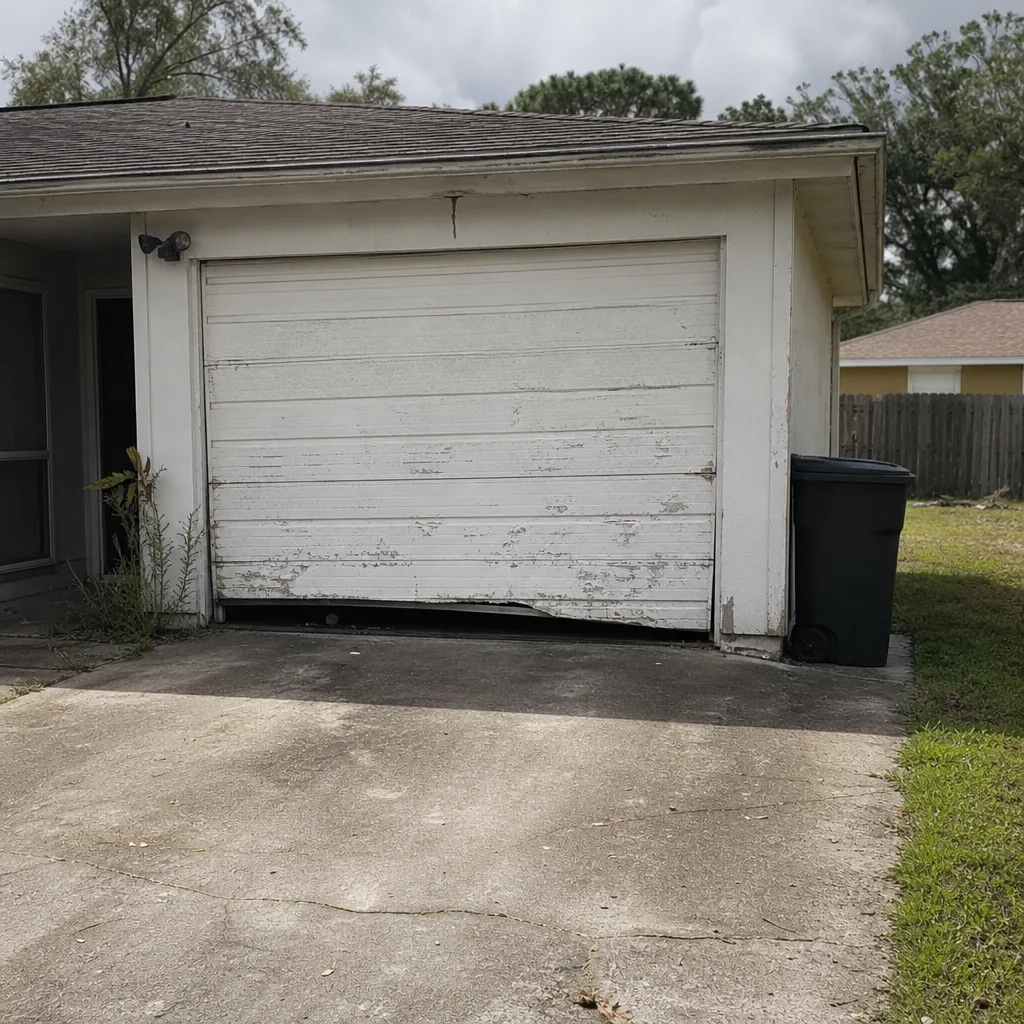 Before
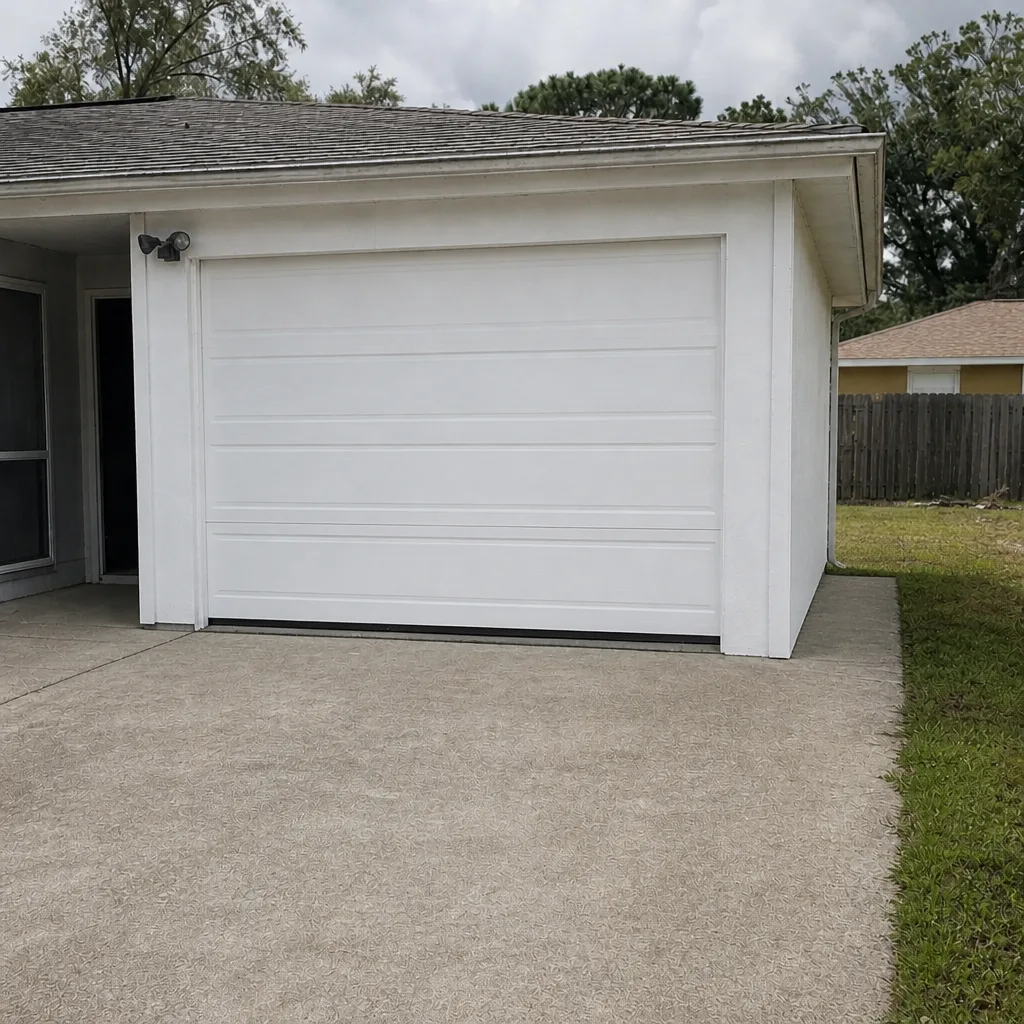 After
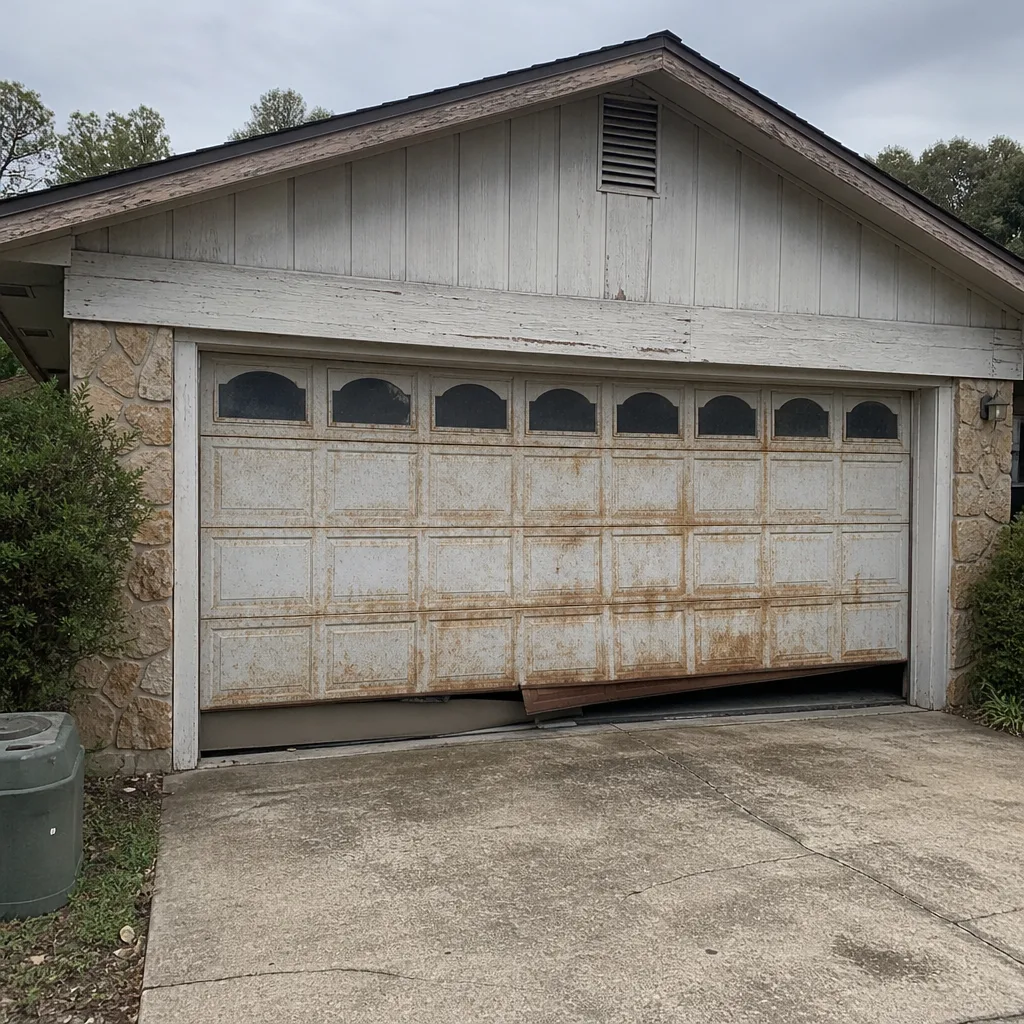 Before
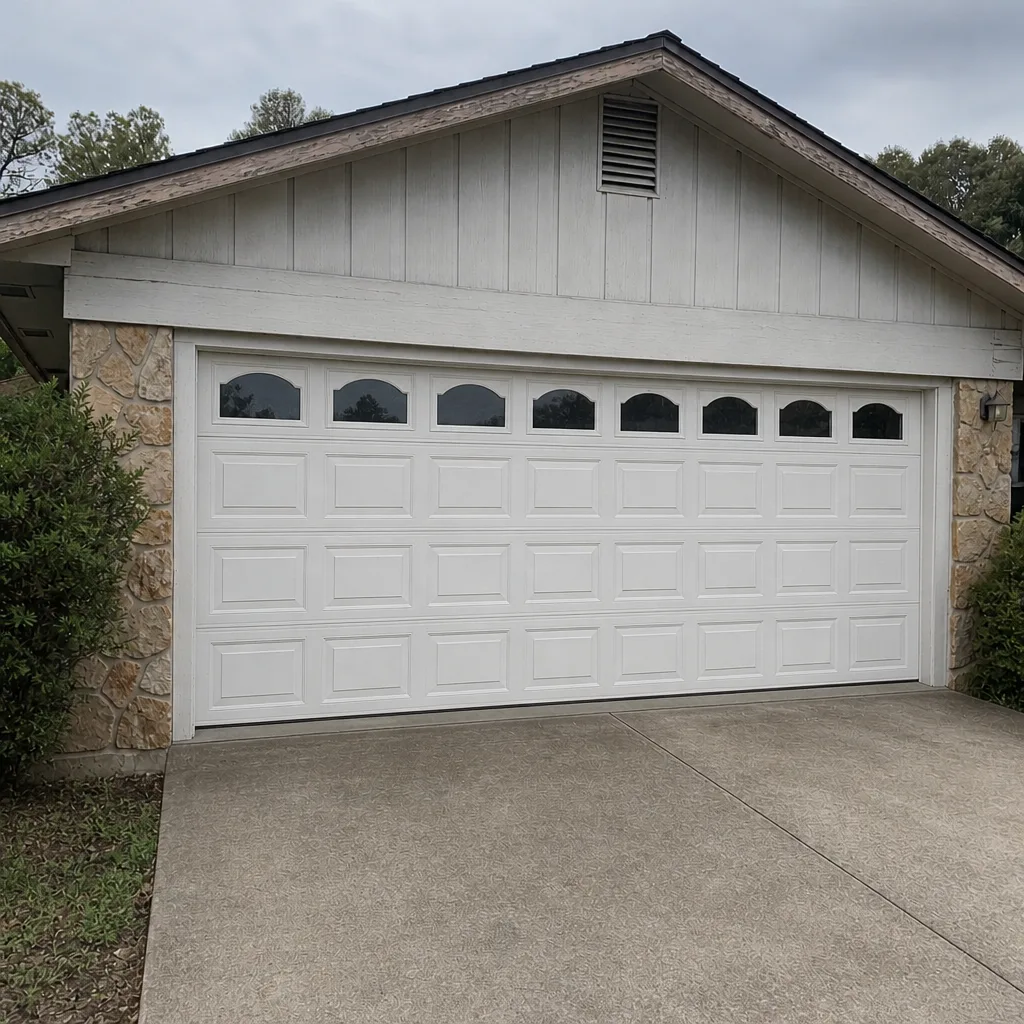 After
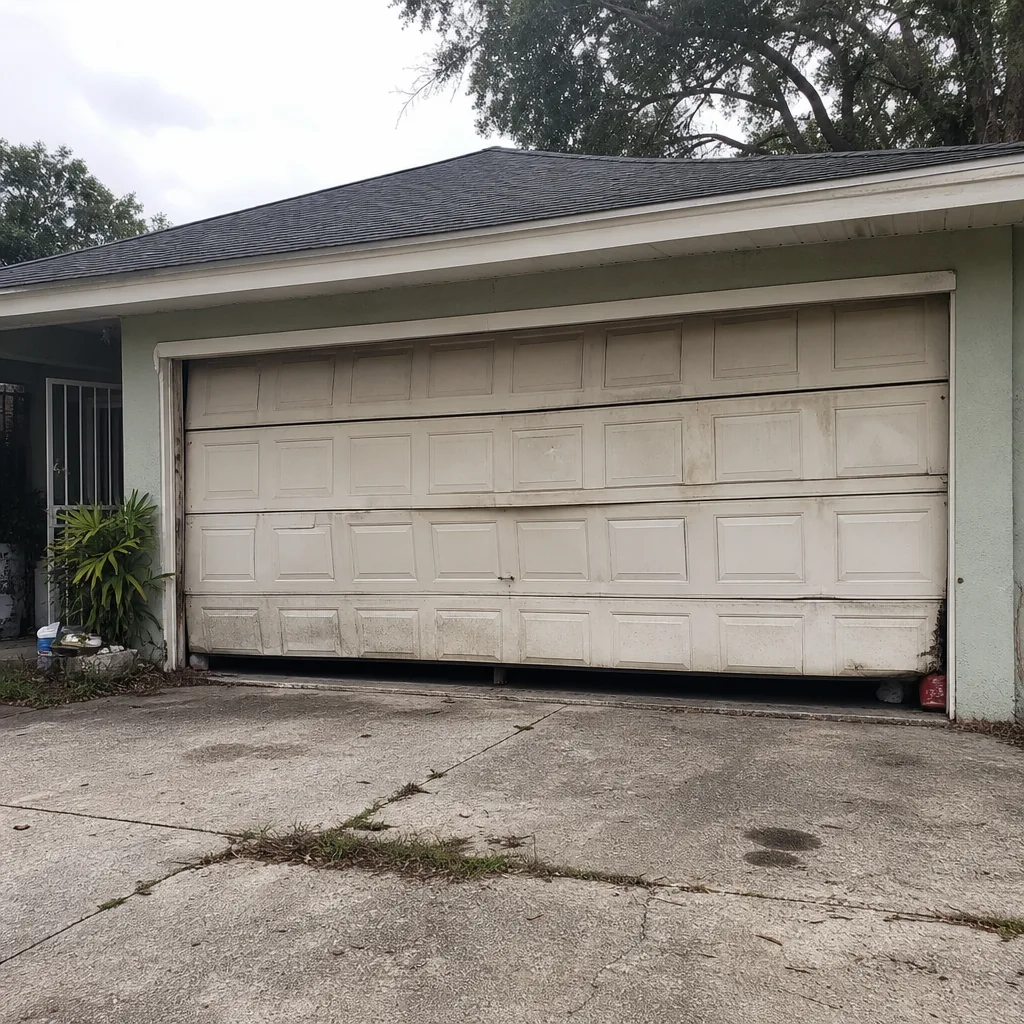 Before
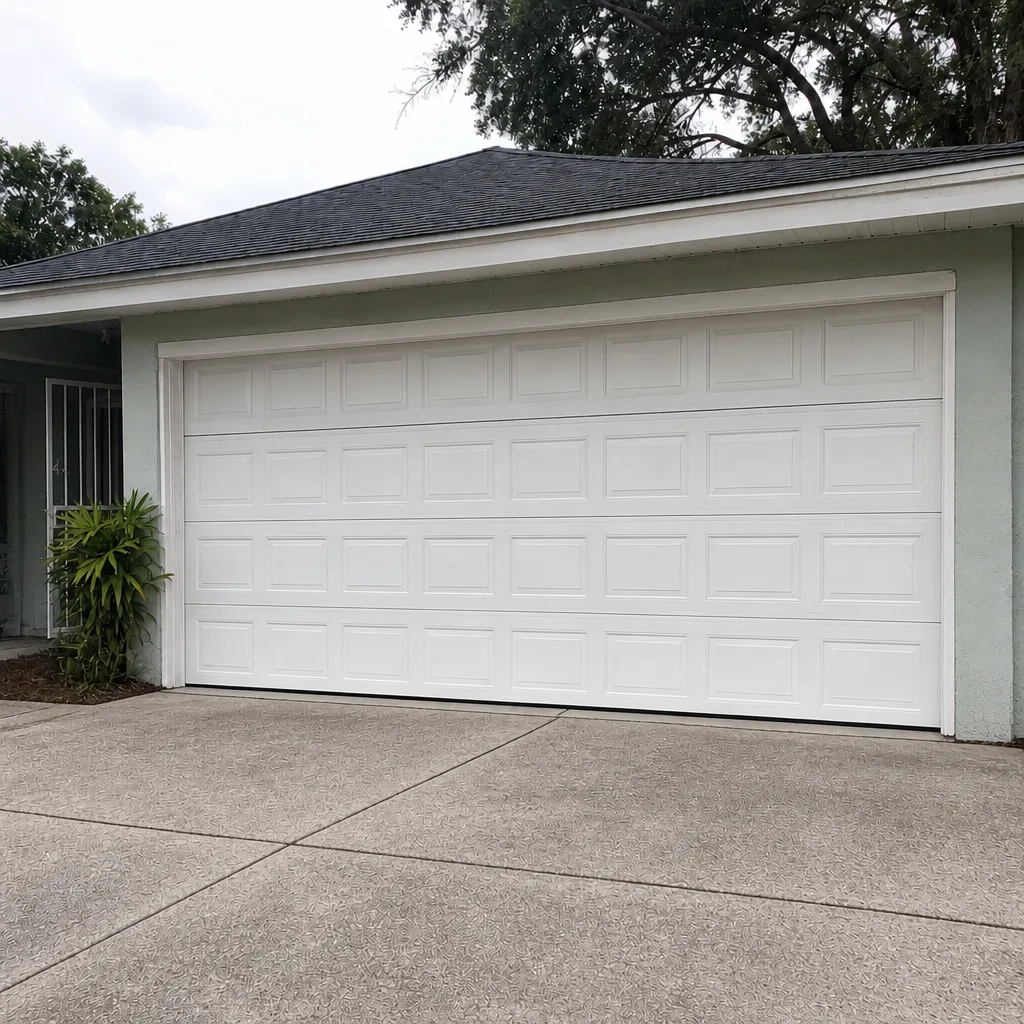 After
When to Call a Professional
Call a professional when the door won’t open or close smoothly, when you see a broken spring or a cable hanging loose, when the door is stuck halfway, or when the opener runs but the door doesn’t move. Also call when you hear a loud snap, when the door feels heavy to lift by hand, and when it hangs crooked. Springs, cables, and openers are high-tension or electrical components, and working on them without training is dangerous. Our technicians have up to 9 years of experience, and we treat spring work as dedicated, safety-first service. Pine Hills Garage Door Repair Co offers free estimates in Pine Hills. Call (844) 443-3644 and we’ll book a time that works for you.
If you’re not sure whether it’s urgent, describe what you’re seeing. A stuck door that’s your only access is different from a noisy roller you’ve been meaning to address. We’ll help you decide.
Frequently Asked Questions
Most garage door repair in Pine Hills runs from about $95 to $340, with spring replacement as the most common major repair. Single torsion springs typically cost $180 to $340, and matched pairs cost roughly double that because both springs are replaced together. Call (844) 443-3644 for an exact quote on your door, and estimates are free.
Because Florida Building Code wind-load requirements add roughly $150 to $400 to nearly every installation. That money covers rated door sections, rated hardware, proper anchoring into the header and jambs, and documentation your building department may require. A quote from a northern state often leaves this out entirely, which makes it look cheaper but not comparable.
You can, but it usually isn’t the best choice when both springs are the same age and wear level. Springs are under high tension. Replacing one spring in a worn pair often leads to the second failing shortly after, which means paying the same labor again. In most cases, a matched pair replacement is the better value.
Expect $50 to $150 on top of a standard repair, and sometimes more for a late-night call. It’s worth paying when the garage is your only access to the house, when the door is stuck open and the home is left exposed, or when a broken spring or cable has left the door unsafe. If you have another way in and the issue isn’t a hazard, schedule the repair for a standard appointment and skip the premium.
No, the written quote is what you pay unless you approve additional work. The technician diagnoses the actual problem and quotes it before starting, and any extra item gets your approval first. If a quote changes after the work starts, stop and ask for a written change order. Call (844) 443-3644 to book a free estimate and get a firm number.
The local professionals we connect you with are licensed and insured as their state requires. That’s the standard you should verify before work begins on any garage door, especially a spring or opener job. We’ll confirm those details when you call. Estimates are free, and we’ll answer any question about the work before you schedule.
The Bottom Line
Garage door pricing in Pine Hills comes down to five variables: the failed component, the door’s weight and material, the system’s age and brand, wind-load and code work, and timing. Springs run $180 to $340 each, paired springs cost about double, and full installations typically run $900 to $2,600, with rated doors at the top. Emergency work adds $50 to $150, and it’s worth it only when the door is unsafe or it’s your only entry. Ask for an itemized quote, verify wind-load compliance, and confirm the price in writing before work starts. If a quote looks too low, it’s probably missing the wind-load line.
Pine Hills Garage Door Repair Co handles repair, opener repair, spring repair, full installation, and emergency response, and our technicians have up to 9 years of experience. For a free estimate on your door, Pine Hills Garage Door Repair Co is one call away, and we’re reachable at (844) 443-3644 when you’re ready to schedule.
Written by the team at Pine Hills Garage Door Repair Co.