Last updated November 21, 2026
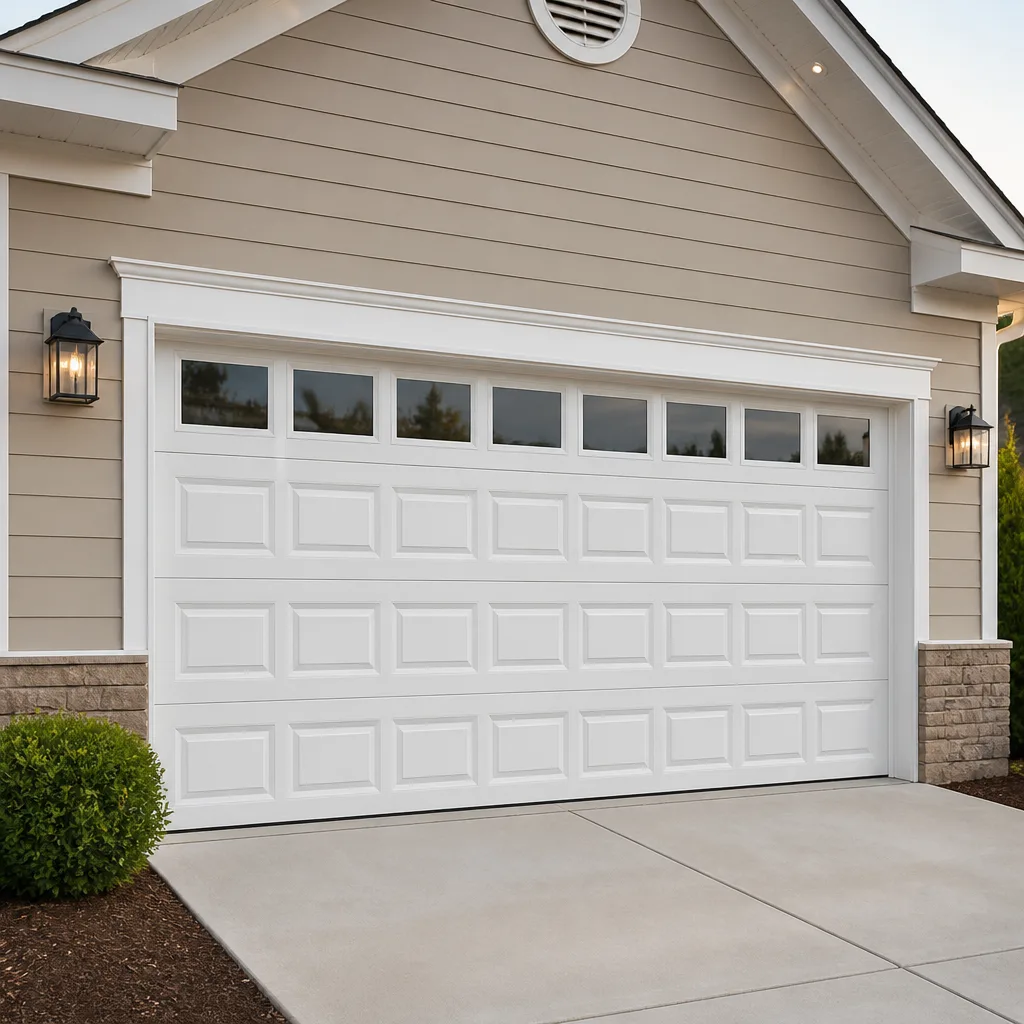 Raised-panel steel
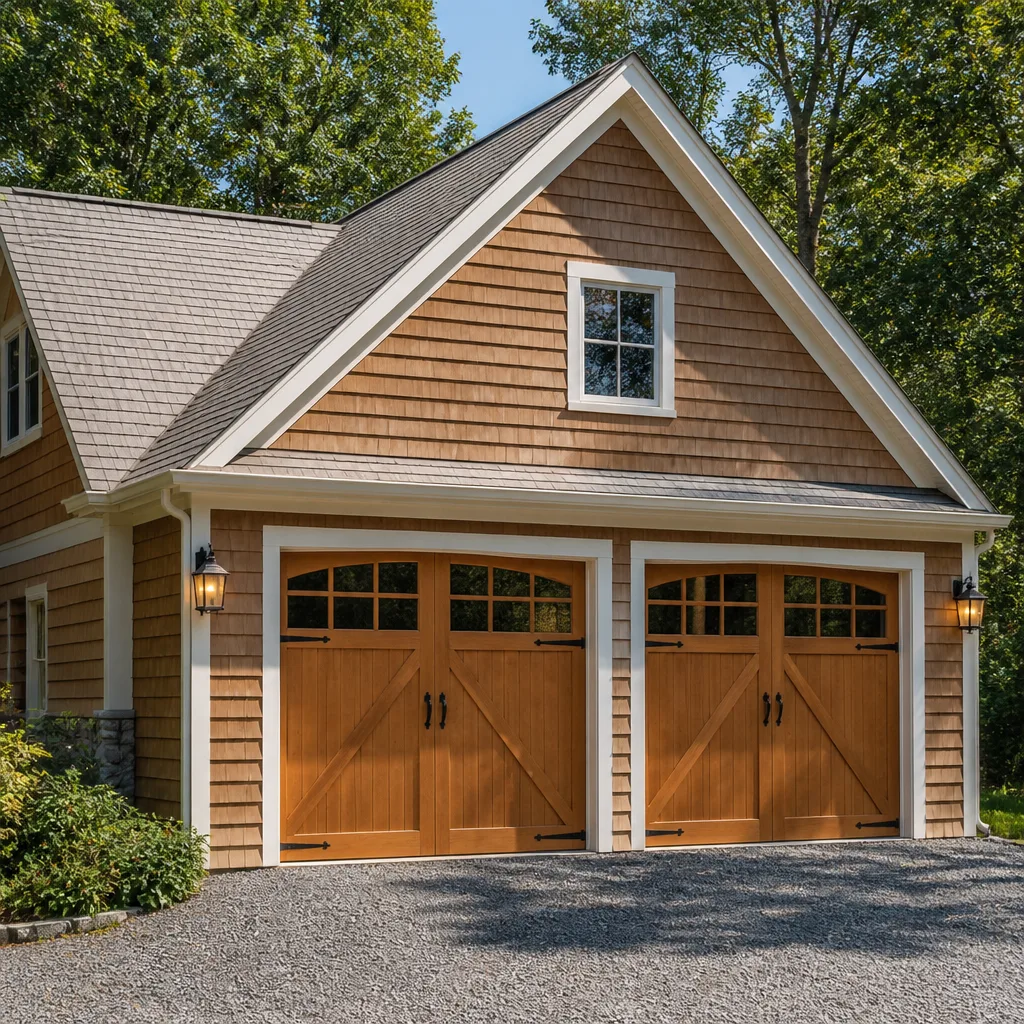 Carriage house
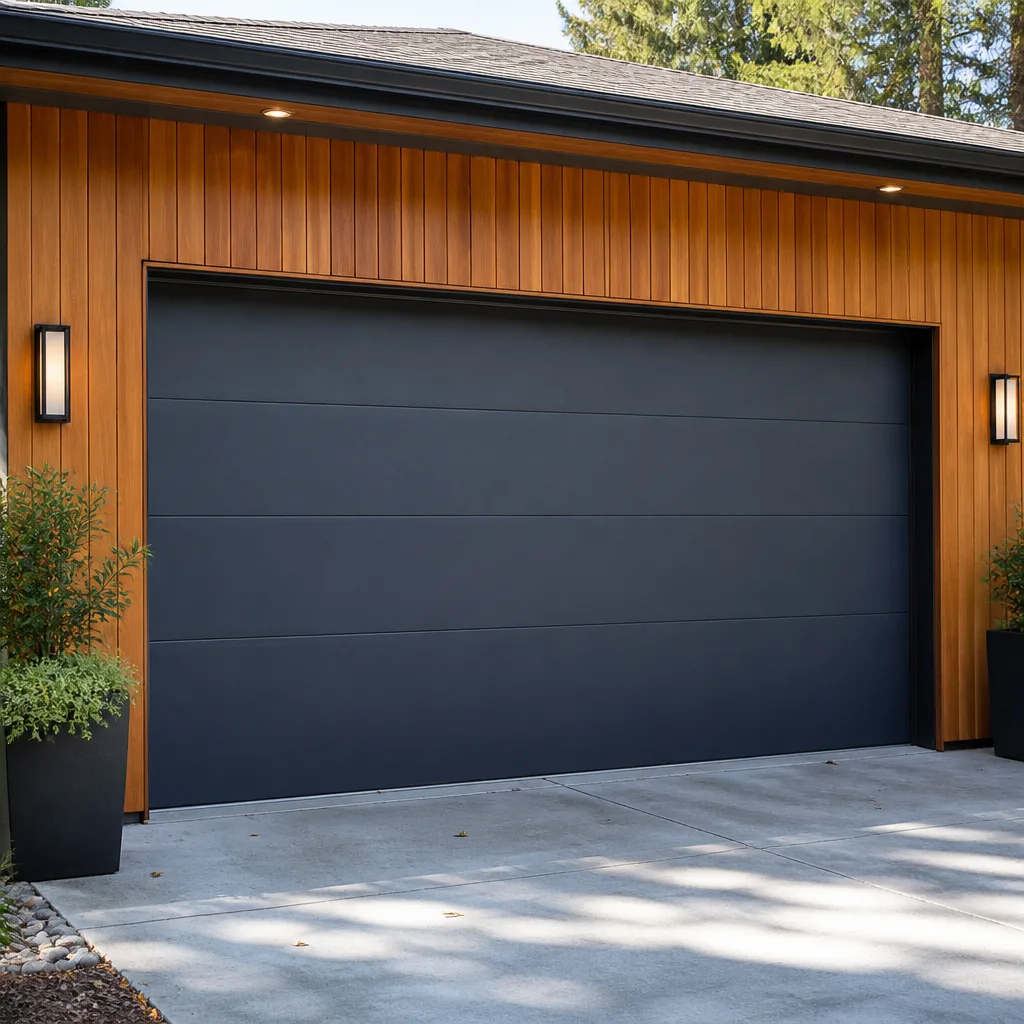 Modern flush
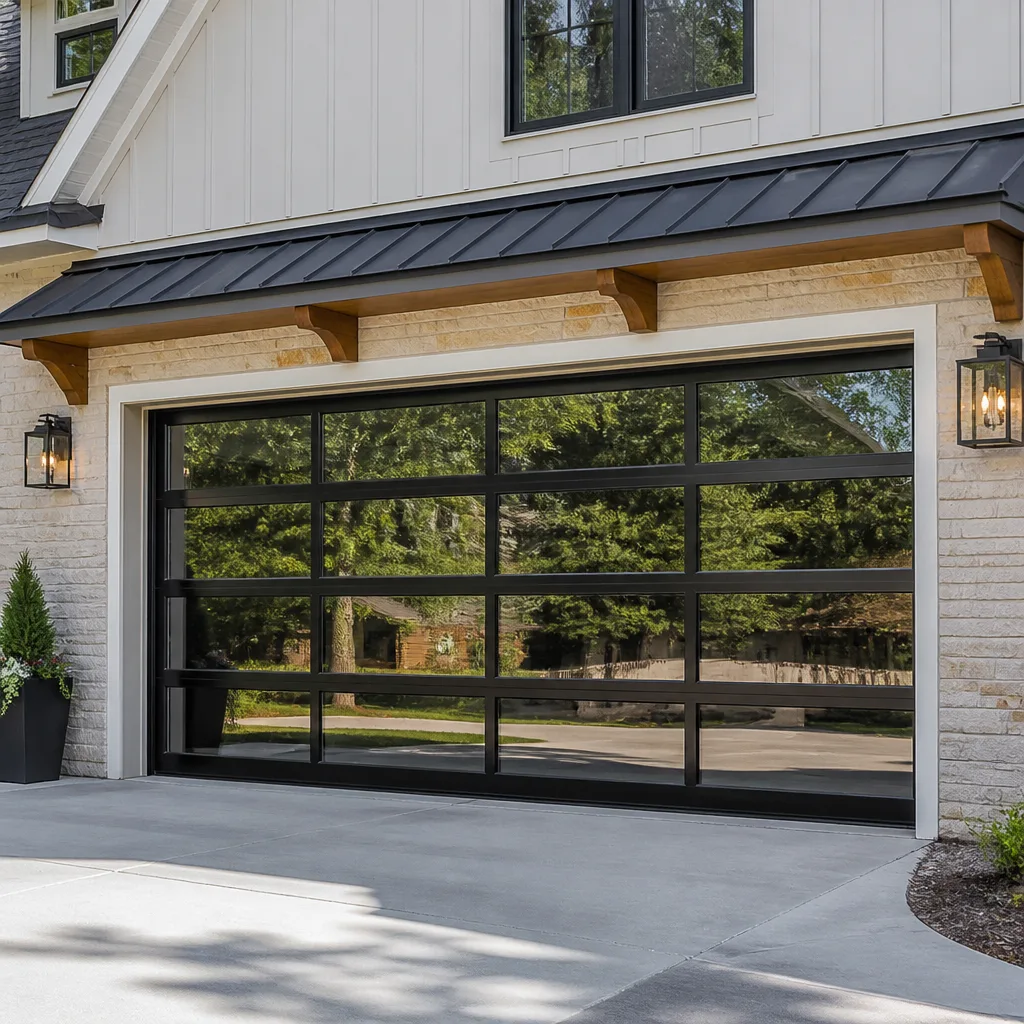 Full-view glass
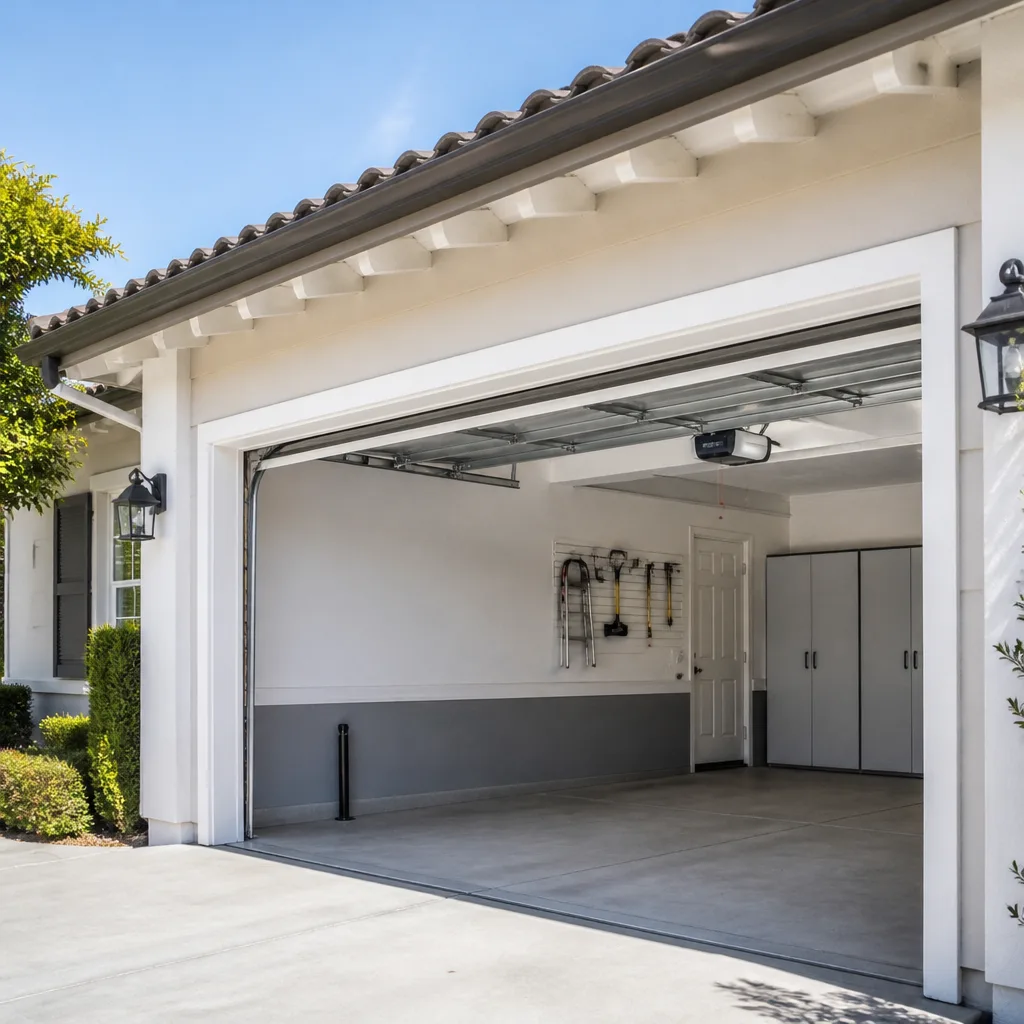 LiftMaster openers
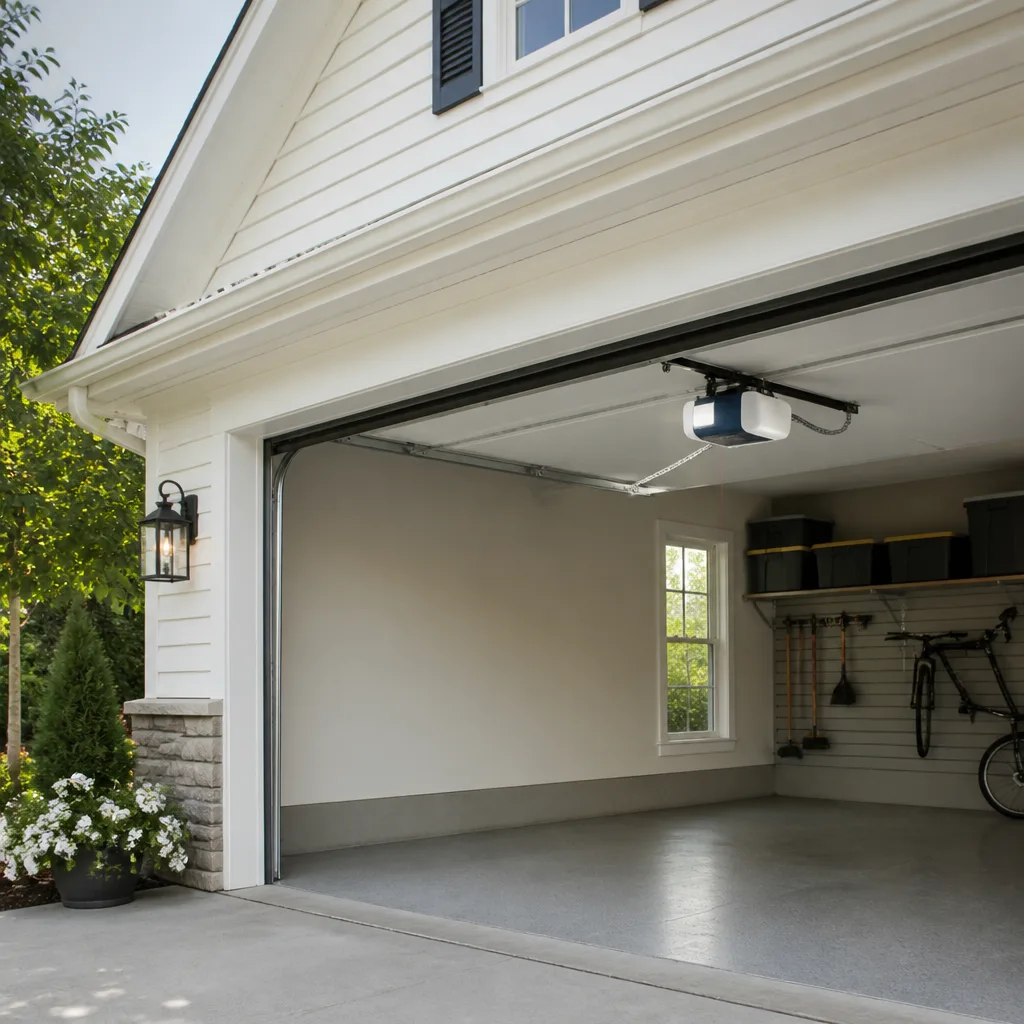 Chamberlain openers
Full 25-point door and opener safety check with every visit - springs, cables, rollers, tracks, and your LiftMaster or Chamberlain opener included
You get a price before we start. It does not change when the pro arrives.
Get your free estimateGarage Door Permits, Codes & Inspections in Pine Hills, FL: What You Need to Know
Most homeowners assume a garage door is like a mailbox: bolt a new one on, and nobody upstream cares. That’s the misconception this guide exists to correct. In Pine Hills, swapping a door or changing how it opens can pull in your city’s building department and Florida’s wind-load rules, and the paperwork trail matters long after the truck leaves. The trick is knowing which jobs cross that line and which don’t. Below, we walk through Orange County’s permit thresholds, what Florida Building Code Chapter 16 means for door selection here, how an inspection actually runs, and how to clean up work that was done without a permit. Mention Pine Hills once more before we start: this is written from a local garage door company that deals with these questions regularly.
Quick Answer
In Pine Hills and the rest of Orange County, replacing an entire garage door or changing the door’s structural opening or wind-load rating usually requires a building permit, while routine repairs like spring, cable, roller or opener replacement normally do not. The replacement door must meet Florida Building Code Chapter 16 wind-load requirements for the design pressure of your location, and the work should be inspected by the local building department before the permit is closed. An unpermitted door replacement can be flagged during a home sale inspection, so it pays to get the permit right the first time.
Styles & brands we work with
- Raised-panel steel
- Carriage house
- Modern flush
- Full-view glass
- LiftMaster openers
- Chamberlain openers
Table of Contents
- What Actually Triggers a Garage Door Permit in Orange County?
- How Florida Building Code Chapter 16 Affects Door Choice in Pine Hills
- What the Inspection Actually Looks Like
- Who Pulls the Permit: Contractor or Homeowner?
- How to Permit Work That Was Already Done
- What Permits and Inspections Typically Cost
- Common Mistakes to Avoid
- When to Call a Professional
What Actually Triggers a Garage Door Permit in Orange County?
Here’s the direct answer: a full door replacement generally requires a permit, and repairs generally don’t. The dividing line is whether the work changes the door, its structure, or its performance under wind load. Replacing the whole door assembly counts. Replacing the spring that lifts it usually doesn’t. Everything in between is where homeowners get confused, so it helps to break the work into two columns.
Jobs that typically need a permit:
- Replacing the entire garage door with a new door, even one the same size.
- Changing the door’s wind-load rating or impact rating.
- Resizing the opening, adding a new opening, or altering the header or framing.
- Converting a manual door to an opener-driven one where the structure changes.
- Replacing a door after storm damage where the replacement differs from the permitted original.
Jobs that typically do not need a permit:
- Replacing springs, cables, rollers, hinges, or the bottom seal.
- Repairing or replacing an opener, remotes, or safety sensors.
- Realigning tracks or adjusting the door’s travel limits.
- Replacing panels when the change doesn’t affect the door’s structural or wind-load rating.
The honest answer for the in-between work is: ask. Local building departments sometimes draw the line differently on panel replacement, and a quick phone call to Orange County or the City of Orlando (which covers some addresses that are commonly described as Pine Hills) settles it. Because Pine Hills sits near the county line and includes areas served by different jurisdictions, we tell homeowners to confirm the permitting authority for their specific address before ordering a new door. That way there’s no surprise after the door arrives.
One more point worth making: the permit requirement often has less to do with the door and more to do with the property record. Permits create a paper trail that says, “yes, this door was installed to code.” When you sell a house in Pine Hills, that trail matters. We’ll come back to why.
How Florida Building Code Chapter 16 Affects Door Choice in Pine Hills
Florida Building Code Chapter 16 is the section that sets wind-load requirements for structures, and it applies to your garage door because the door is part of the building’s envelope. When the wind pushes against your house, the garage door is one of the largest flat surfaces taking that load. The code doesn’t just want a door that opens and closes; it wants one rated to hold up to the design wind pressure for your area. In Florida, that pressure is calculated for your specific site, so the correct door rating in Pine Hills isn’t necessarily the same as the correct rating a few miles east or west.
What this means for you in practice:
- The replacement door needs a design pressure (DP) rating that meets or exceeds the code-required value for your address.
- That rating is printed on the door’s label or included in its product approval documentation.
- Doors manufactured by brands like Clopay, Amarr, and Wayne Dalton each carry their own approved wind-load ratings, so the brand matters less than the specific model and its approval number.
- A “same size” replacement isn’t automatically code-compliant if its rating is lower than the original.
- Impact-rated doors and reinforced door-and-bracing systems are options, and the inspector will look for the correct label for whichever you choose.
This is why a garage door install isn’t a simple measurement. The person measuring needs to know which model numbers, and which bracing or reinforcement, are approved for the required DP at your address. In our experience, the door selection conversation starts with the wind-load requirement, not with the color. Brand fluency helps here. If you’re working with Craftsman hardware on the opener side or a Clopay door on the shell side, the technician still has to match the model number to the approval document. That’s not upsell; it’s what the inspector will check.
If your home has been through an older storm or a prior replacement, it’s worth pulling the permit history before you buy a new door. A well-documented prior install makes this replacement easier. A missing or mismatched document means the inspector may want more from you now. Pine Hills homeowners run into this often enough that we treat the paper trail as part of the estimate.
What the Inspection Actually Looks Like
An inspection is a scheduled visit from the local building department to confirm the work matches the permit and the code. In most cases, a garage door replacement needs one inspection after the door is installed. The inspector arrives, checks the door, and either approves it or writes a correction notice for anything that doesn’t match. That’s the short version. The long version walks through the steps so you know what to expect.
- The contractor submits the permit application. This includes the door specifications, the manufacturer’s product approval, the design pressure rating, and the scope of work. Approval typically comes back before the door is installed.
- The door is installed. Once the permit is approved, the installer mounts the door, sets the tracks, attaches the springs, and adjusts the opener. The door label with the model and rating stays visible.
- The inspection is scheduled. In most Orange County jurisdictions, the installer or the homeowner requests the inspection through the online portal or by phone once the work is finished. The timeframe varies by department backlog.
- The inspector arrives and checks the door. Typical items on the checklist include the door label and product approval, the DP rating, the anchor and fastener installation, the door’s balance and travel, and the presence of safety features like the photo-eye sensors if an opener is involved.
- The inspector approves, corrects, or fails the inspection. Corrections may include a missing label, a low DP rating, or a door that doesn’t sit properly in the opening. Corrections are usually fixable in a return visit.
- The permit is finalized and closed. The approval gets recorded with the building department, which is the document that protects you at resale.
How to prepare: keep the door’s product approval paperwork accessible, make sure the label is visible, and confirm the opener safety sensors function. If you’ve got a garage full of boxes, move them clear of the door and the tracks so the inspector can actually see the installation. For any high-tension hardware questions, leave the springs and cables to the technicians. That’s not a job for homeowners, and inspectors don’t want to see tool marks on a tensioned spring.
If a correction comes up, don’t panic. Most are simple label or documentation fixes. What you want to avoid is letting the permit stay open for months with no final inspection, because a review at closing often flags an open permit.
Who Pulls the Permit: Contractor or Homeowner?
In Florida, either the licensed contractor or the homeowner can pull a permit, but the responsibility differs. When a licensed contractor pulls the permit, the contractor is on record as the responsible party, and the inspection, paperwork and finalization fall on them. When a homeowner pulls the permit themselves, they become the responsible party in the eyes of the building department. That sounds like a way to save money, but there are a few reasons we steer people toward the contractor route.
- The contractor knows the door models and DP ratings that pass, so the permit is less likely to bounce back for corrections.
- Scheduling falls on the contractor, not you.
- If the inspector flags something, the contractor is the one who fixes it and returns.
- If you sell the home, the permit is tied to a licensed professional, which often reads cleaner on a title search.
- Homeowner-pulled permits usually still require the licensed installer to sign off on the work.
One non-negotiable: any contractor pulling the permit has to be licensed and insured as Florida requires for that scoped work. Ask for the license information before work starts and confirm it through the state’s licensing database. If you hire an unlicensed installer to “save a few dollars,” the building department may refuse the permit, which is the worst possible spot to be in.
In Pine Hills, we routinely see permits pulled correctly and permits pulled by the homeowner with questions later. Both work. The important thing is that the permit gets pulled, that the door on the platform is the door on the paperwork, and that the inspection closes out with a passed record. If you’re not sure which route to take, the Pine Hills Garage Door Repair Co team can point you to the right permitting authority for your address and help line up the job.
How to Permit Work That Was Already Done
Discovering that a prior door replacement was never permitted is more common than most Pine Hills homeowners expect. The good news: it’s usually fixable. The not-so-good news: the fix takes more steps than a fresh permit, and it can cost more. The exact cost depends on the building department’s fees and whether the work differs from what the code requires today. Still, it’s better to resolve it before a sale than after.
The typical retroactive permit process looks like this:
- Find out what’s actually on record. Pull the property’s permit history through the local building department or through the county’s online permit search. This tells you what was permitted and what wasn’t.
- Confirm the door’s current specs. You’ll likely need the model number, the DP rating and the production label. If the label is gone or unreadable, the inspector may require documentation or a replacement door that meets today’s code.
- Apply for an “after-the-fact” permit. Many jurisdictions call it that, or “permit for existing work.” Not every department offers one for every type of work, so it’s worth calling to confirm.
- Pay the permit fee, which is often higher than a standard permit. Retroactive fees help cover the additional review, so plan for the range we discuss below.
- Schedule the inspection. The inspector checks the door against current code. If the door doesn’t meet the required DP rating, you may need to replace it with a compliant model.
- Close the permit and save the paperwork. Keep the finalized permit and inspection report in your home documents.
Realistic cost: expect the retroactive permit fee to be somewhat higher than a standard permit, plus whatever it costs to bring an out-of-code door up to compliance. If the door already meets code and just lacks the paperwork, the fix is usually modest. If it doesn’t, the door replacement becomes part of the job.
One thing to know: not every department allows retroactive permitting, and the rules can change. Ask before you assume. If you’re not sure where to start, or you want an installer who can document the current door so the packet is complete, the garage door repair team we connect you with can help. If the door fails the DP check on the inspection, a replacement is a separate job from the repair, and it’s handled through garage door opener repair and installation services as the scope dictates. What matters is getting the record clean while you’re still living there, not scrambling during a sale.
What Permits and Inspections Typically Cost
Permit and inspection costs in Pine Hills vary by jurisdiction and by the scope of work, but knowing the general range helps you budget. The permit fee is set by the local building department and is a pass-through cost, not a markup. Below are typical ranges we see for the common scenarios; treat them as estimates, and ask the department or the contractor for the written figure before work starts.
| Scope of Work | Typical Permit & Inspection Cost |
|---|---|
| Residential garage door replacement permit (standard) | $150 to $350 |
| Permit for structural change (resize opening, add opening) | $300 to $600 |
| Retroactive / after-the-fact permit | $250 to $700, plus any compliance work |
| Reinspection fee (if a correction notice is issued) | $50 to $150 per return visit |
Those figures cover the permit itself, not the door or the labor. The door replacement cost is separate and depends on the model, size and rating. The point of the table is that the permit line item is small compared to what an unpermitted door can create at sale time. And the price for the permit gets quoted and agreed before work starts, the same as the door price.
One more thing worth knowing: permit fees are set by the local building department, so they don’t vary much between contractors. If you get two quotes, the permit line should look similar. If one quote leaves the permit out, that’s not savings; that’s a missing step.
Common Mistakes to Avoid
- Assuming a like-for-like replacement doesn’t need a permit. A same-size door still needs a permit in most Orange County jurisdictions because the wind-load rating matters, not just the dimensions. Assume the permit is needed until the department says otherwise.
- Skipping the DP rating on the paperwork. The inspector will check the label and the design pressure. A door that opens beautifully but has the wrong DP becomes a correction notice.
- Hiring an unlicensed installer to “save” on permit fees. The fee is small compared to the consequences. An unpermitted door can show up as a violation at sale, and resolving it costs more than the original job.
- Letting the permit stay open. An open permit with no final inspection can delay a closing. Schedule the inspection once the door is installed and don’t let it sit.
- Assuming panel replacement never needs a permit. Usually it doesn’t, but if the replacement alters the door’s structural rating, the answer changes. Ask before you buy.
- Assuming the wrong jurisdiction. Pine Hills overlaps a few code enforcement and permitting boundaries. Confirm which department has authority for your exact address before submitting.
- Trashing the paperwork. The finalized permit and inspection report are part of your home’s record. Keep them with your other closing documents.
Two of these are worth extra attention for Pine Hills. First, the jurisdiction question. Because addresses here can fall under different permitting authorities, the same door job can require a different form in different parts of the neighborhood. Second, the DP rating. Chapter 16 is not optional, and the inspector will treat a wrong rating as an outright failure, not a technicality. If you’re working with a technician who’s helped install doors across brands like Clopay, Amarr and Wayne Dalton, they’ll know which model numbers pass for your address.
When to Call a Professional
Some of this work is paperwork. Some of it is dangerous. Spring and cable replacement involves high-tension hardware, and the injury risk from a failed spring or a dislodged cable is real. We recommend trained technicians for anything involving the door’s tensioning system rather than a homeowner attempt, because a wound spring can release hundreds of pounds of force without warning, and the tools and technique needed to work with one safely aren’t in a typical toolbox. The same goes for structural changes like resizing an opening, where the header, framing and wind-load rating all have to be handled as engineering along with the door.
Call a professional when:
- You’re replacing the entire door and need the permit, the DP rating match, and the installation done to code.
- A spring or cable has failed. That’s a garage door spring repair scenario, and it’s not a homeowner job.
- You’ve inherited an unpermitted door and need it brought into compliance.
- You’re selling and want the permit trail clean before the title search.
- The door is out of balance, hangs crookedly, or the opener behaves unpredictably. Some of that is repair, some of it is code.
Pine Hills Garage Door Repair Co offers free estimates in Pine Hills. Call (844) 443-3644 to talk through your job, get a written price, and confirm the permit path for your address. Our technicians have up to 9 years of experience and work with LiftMaster, Chamberlain, Genie, Clopay, Amarr, Wayne Dalton, Craftsman and Raynor, so whatever’s on your wall or in your opening, we’ve seen the setup. The price is quoted and agreed before any work starts.
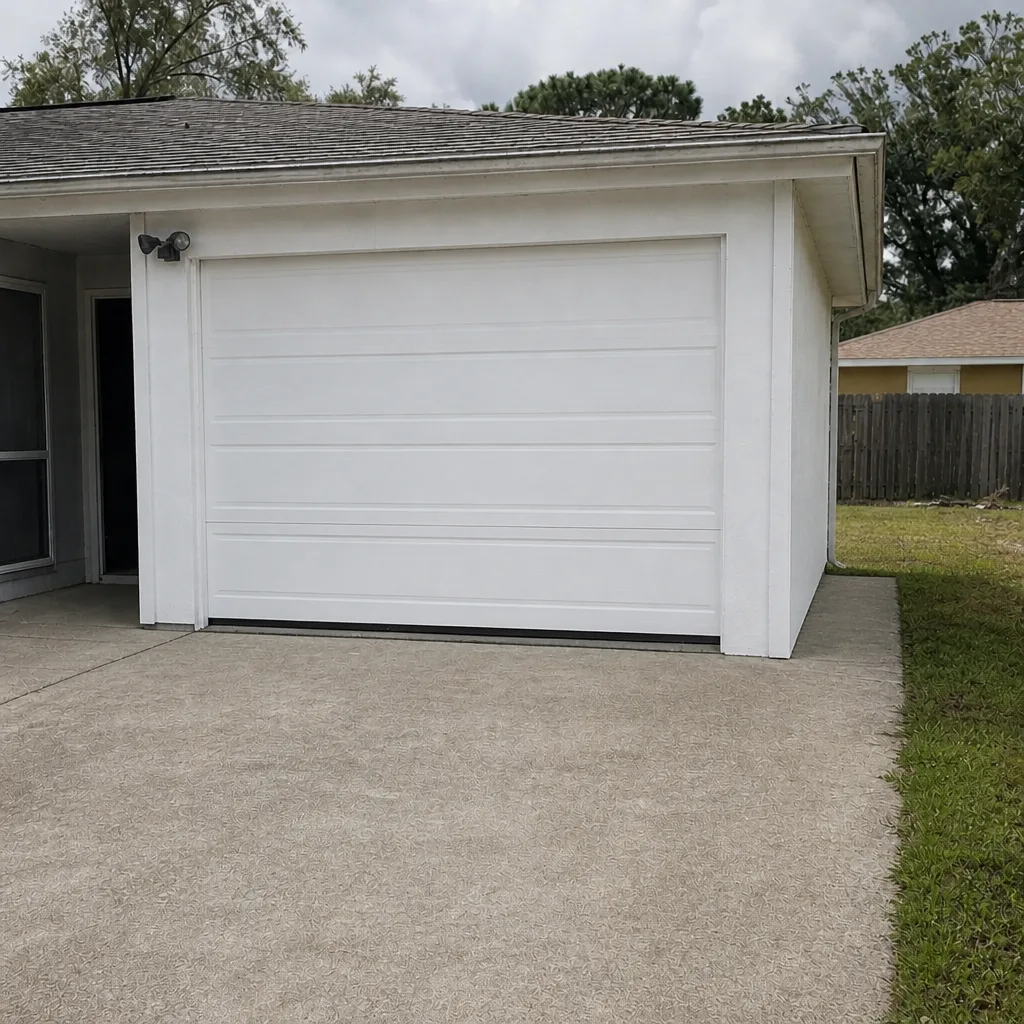
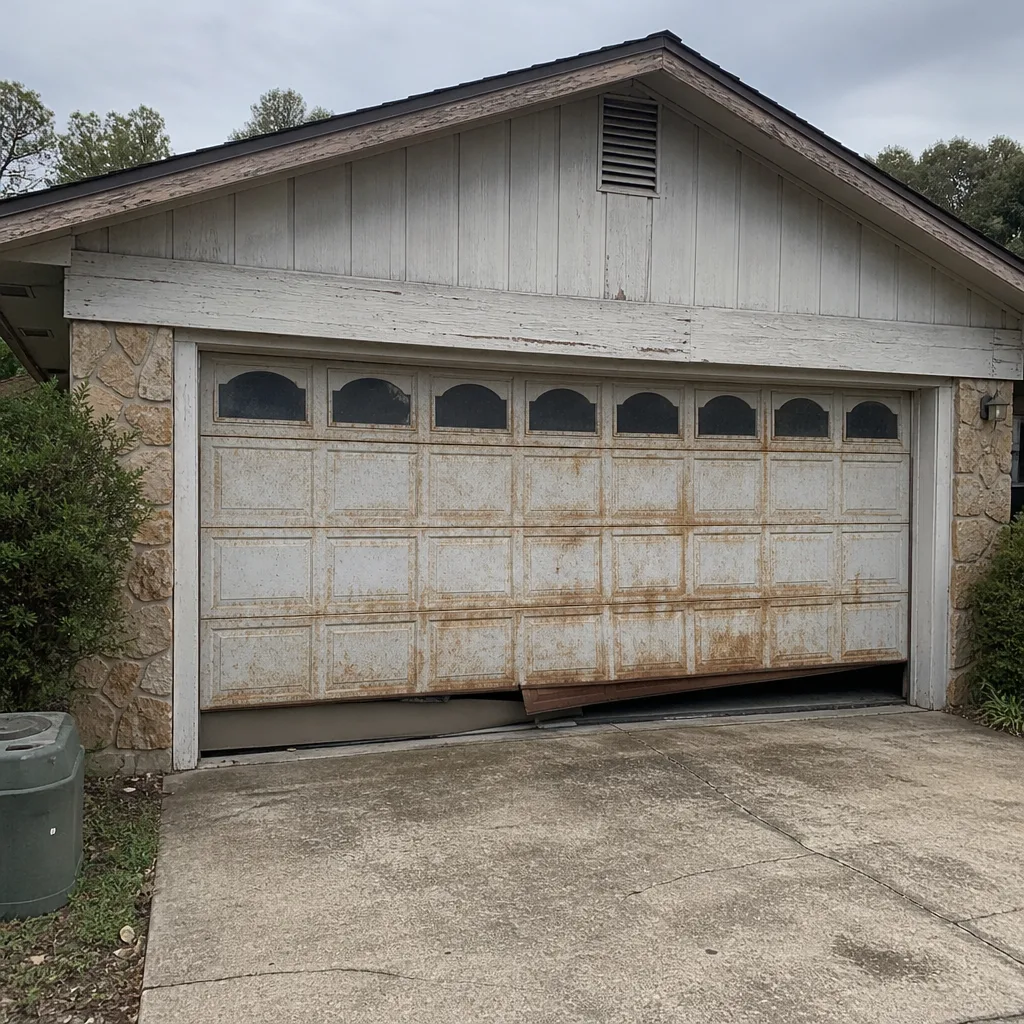
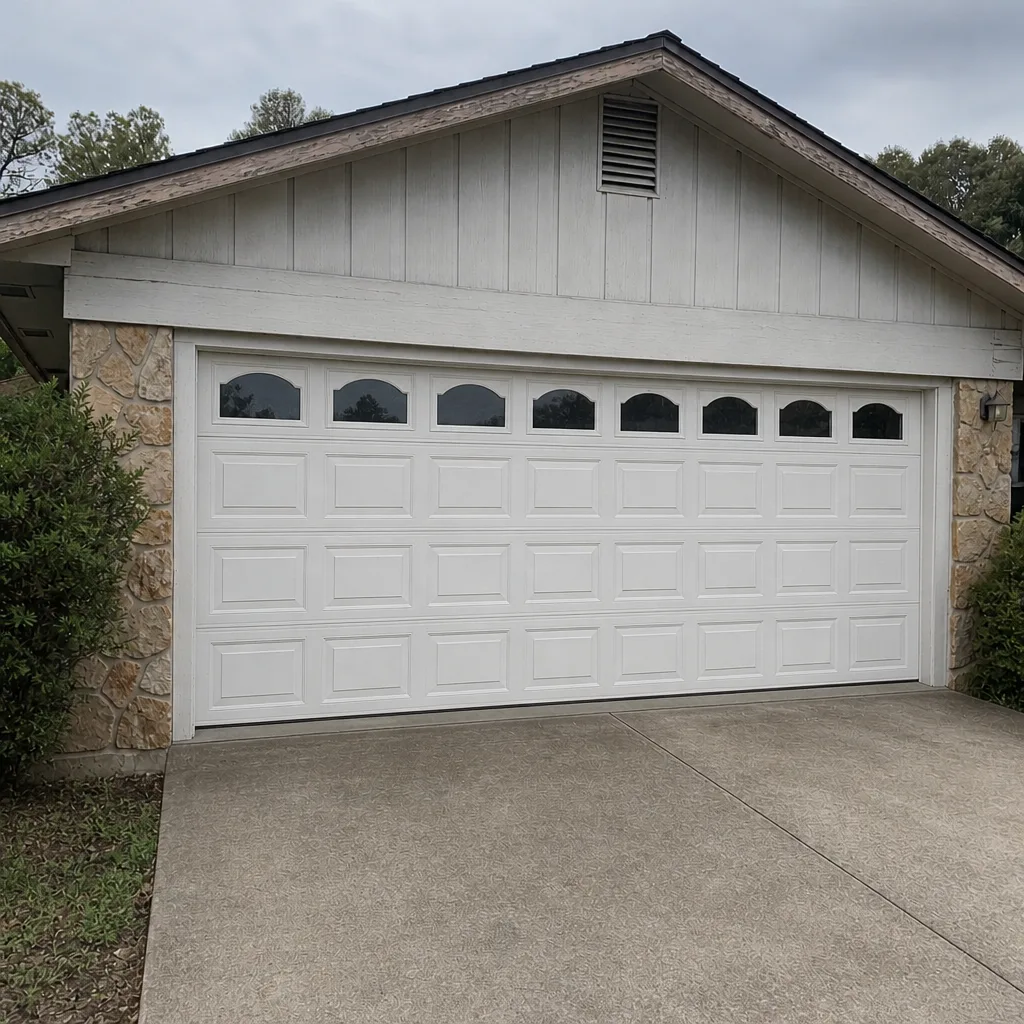
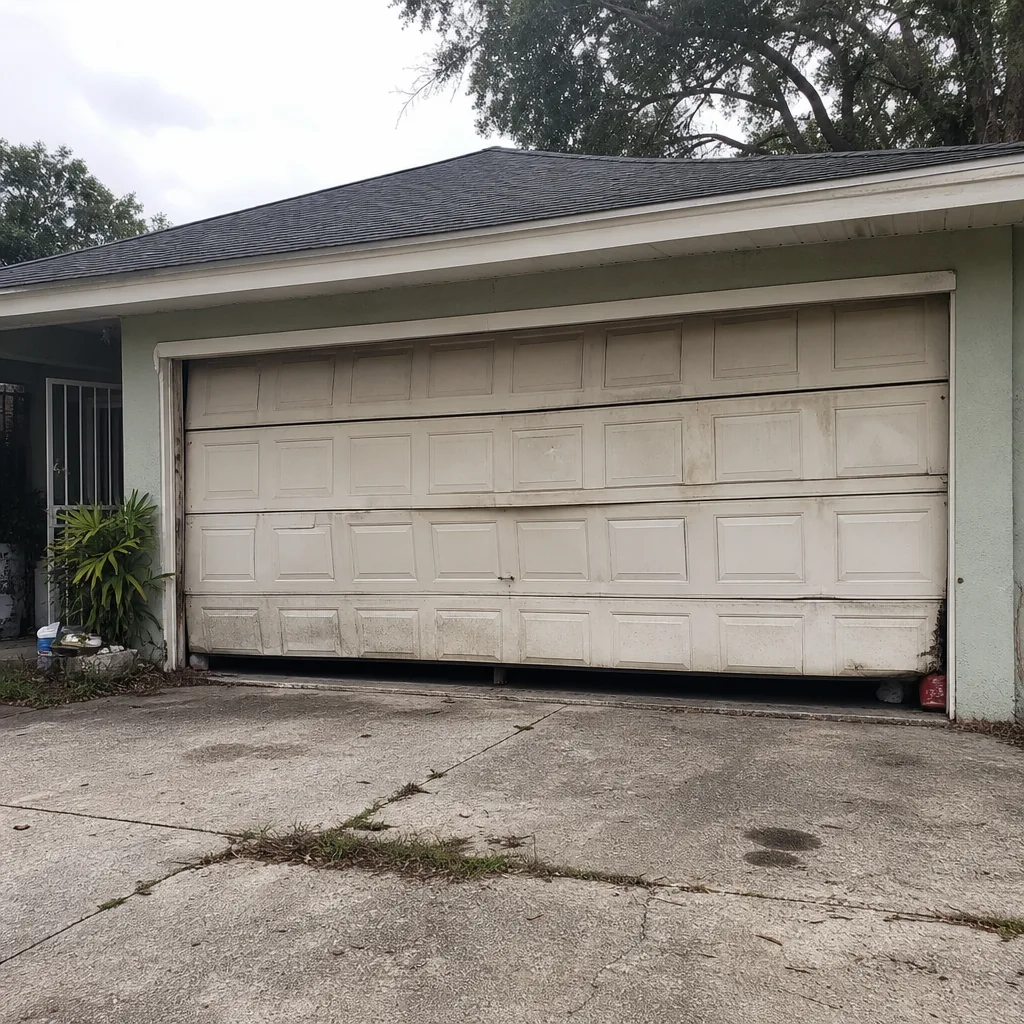
See the difference
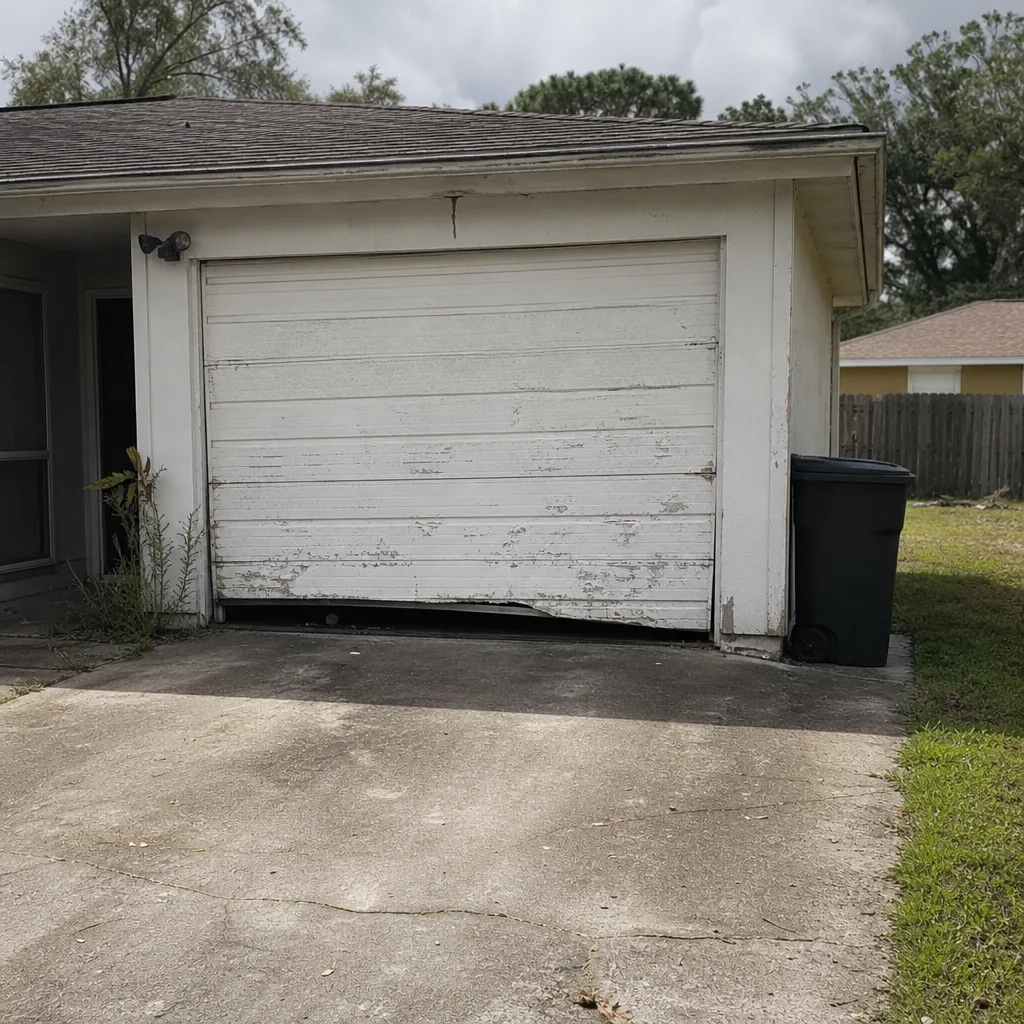 Before
 After
 Before
 After
 Before
 After
Frequently Asked Questions
Yes, in most cases. Pine Hills sits within jurisdictions that generally require a building permit to replace an entire garage door, especially because Florida Building Code Chapter 16 wind-load requirements apply to the new door. Routine repairs like spring, cable, roller or opener replacement usually do not need a permit. Confirm with the building department that covers your specific address, since Pine Hills overlaps a few permitting boundaries. Call (844) 443-3644 for a free estimate and a quick read on your job.
A standard permit is pulled before the work begins, so the door and its rating are reviewed up front. An after-the-fact (or retroactive) permit is pulled after the work is already done, and it usually costs more because it involves additional review. Not every jurisdiction offers one for every scope, so call first. If you’re facing an unpermitted door, we can help you document the current installation and line up the paperwork. Call (844) 443-3644 for a free estimate.
Expect a standard garage door replacement permit to run roughly $150 to $350, with retroactive permits at $250 to $700 or more depending on the jurisdiction. Those are permit fees only; the door and installation are separate. Reinspection fees of about $50 to $150 may apply if corrections are needed. The written quote is the price, and it’s agreed before any work starts. Call (844) 443-3644 for an exact quote; estimates are free.
The installer typically pulls the permit when they’re licensed and insured for the scoped work, and they also handle scheduling and finalization. You can pull the permit yourself as a homeowner, but you become the responsible party and you’ll still need the licensed installer to sign off. We recommend the contractor route so a correction doesn’t turn into your project. Call (844) 443-3644 to discuss your options.
The inspector checks the door’s product approval, the DP rating match, the installation, the balance and travel, and the opener’s safety features. The visit itself is usually short; the wait for the appointment depends on the department’s backlog. Corrections are typically fixable in a return visit. A failed inspection is not a catastrophe, but it does need to be resolved and closed. Call (844) 443-3644 if you want a technician to review the installation before the inspection.
It can complicate one. Title searches and pre-sale inspections often flag open or missing permits, and the buyer may ask you to resolve the issue before closing. That resolution can mean a retroactive permit, an inspection, and possibly a replacement door if the existing one doesn’t meet current code. Getting the permit done correctly at the time of installation is far easier. Call (844) 443-3644 to talk through your situation before it becomes a closing problem.
The Bottom Line
A garage door replacement in Pine Hills is more than a door. It’s a permit, a wind-load rating from Florida Building Code Chapter 16, an inspection, and a paper trail that lives with the house. Repairs to springs, cables, rollers and openers usually stay outside the permit process. Replacements and structural changes almost always cross into it. Get the permit up front, match the door to the required DP rating, keep the label visible, and close the inspection out instead of letting it sit. If you inherited an unpermitted door, a retroactive permit is usually the fix, and it’s far easier before a sale than during one. The cost of doing it right is modest compared to the cost of resolving it later.
If you’re not sure which category your job falls into, that’s the moment to call. Pine Hills Garage Door Repair Co offers free estimates in Pine Hills and can walk through the permit path for your specific address. Call (844) 443-3644 and we’ll set up a time to look at the door, confirm the paperwork, and quote the job in writing. Our technicians have up to 9 years of experience across brands like Clopay, Amarr, Wayne Dalton and Craftsman, and the price is quoted and agreed before any work starts.
Written by the team at Pine Hills Garage Door Repair Co.